

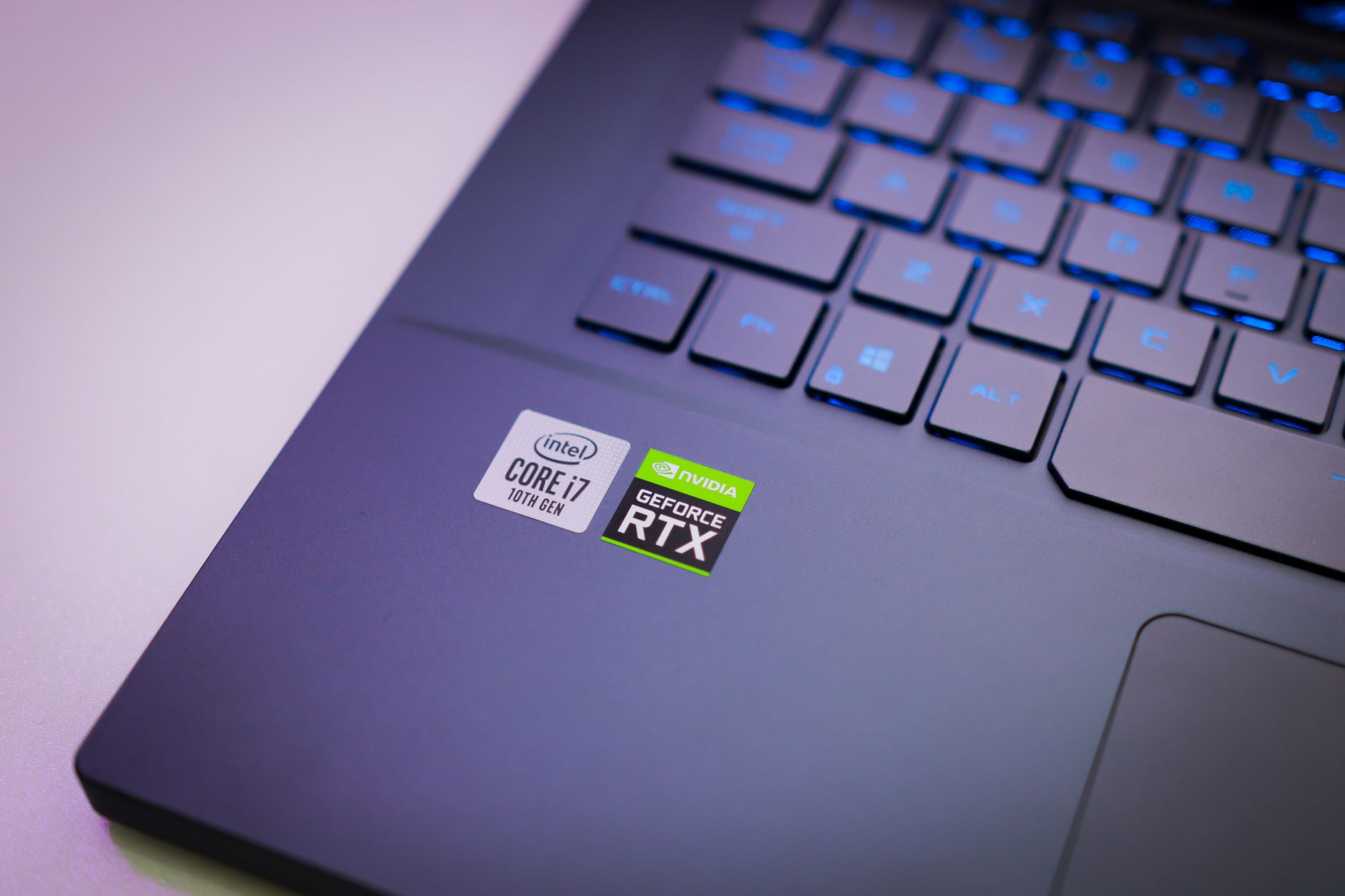
On-demand GPU prices have recently increased, with a rise of up to 21% effective October 1. This change impacts many users relying on these services for tech and gaming needs.
Overview of the Price Increase
As of October 1, Nebius has implemented a significant price increase for its on-demand GPU services, raising costs by up to 21%. This adjustment has raised questions among users and industry experts regarding the value of such services.
With the growing demand for GPU resources driven by sectors like artificial intelligence, gaming, and data analysis, the price hike reflects the rising operational costs faced by providers.
Many customers are now weighing their options, considering whether the benefits of on-demand GPU access justify the higher pricing. The increase may push some users to explore alternative solutions or to invest in dedicated hardware instead.
In this evolving landscape, understanding the implications of on-demand GPU prices is crucial for businesses looking to leverage high-performance computing.
Impact on Gamers
The recent hike in on-demand GPU prices has left many gamers concerned about the future of their gaming experiences. As prices increase, players are forced to reevaluate their budgets and gaming setups.
Many gamers rely on cloud-based gaming platforms that utilize on-demand GPUs for high-performance gameplay. However, with the new pricing model, the cost of accessing these powerful graphics processors has risen significantly.
In response, some gamers are:
- Seeking Alternatives: Exploring different platforms or hardware solutions.
- Increasing Budget: Adjusting their financial plans to accommodate the higher costs.
- Prioritizing Gaming Needs: Focusing on essential upgrades rather than impulse purchases.
The increase in on-demand GPU prices raises questions about the value and sustainability of cloud gaming for enthusiasts.
Comparing GPU Services
As consumers navigate the recent price increase in on-demand GPU prices, it is essential to compare various GPU services available in the market. Different providers offer unique pricing structures and performance metrics, influencing users’ decisions.
Key factors to consider include:
- Performance: Benchmark results can help identify which services provide the best value for the specifications offered.
- Availability: Some services may have lower prices but limited availability, impacting users’ ability to access the GPUs when needed.
- Support: Reliable customer support can enhance user experience, making some services worth a higher price.
Ultimately, users must weigh the benefits against the new on-demand GPU prices and determine which option aligns with their needs and budget.
Why Are Prices Rising?
The recent surge in on-demand GPU prices has raised questions among users about the reasons behind this increase. Several factors contribute to the rising costs, and understanding these can help users navigate the changing landscape.
- Increased Demand: The growing popularity of gaming, AI, and data processing has led to a higher demand for GPUs, pushing prices upward.
- Supply Chain Issues: Ongoing disruptions in the supply chain, exacerbated by global events, have resulted in limited availability of GPUs.
- Technological Advancements: The release of new, more powerful GPUs often leads to a price hike in older models as manufacturers adjust to market trends.
- Inflation: General economic inflation affects pricing across all tech sectors, including on-demand GPU prices.
These factors combined create a challenging environment for consumers seeking affordable GPU options.
User Reactions to Changes
As the recent increase in on-demand GPU prices takes effect, users have expressed a mix of frustration and understanding. Many gamers and developers are questioning whether the price hike is justified.
In a recent online discussion, several users shared their thoughts:
- JohnD: “The 21% increase feels steep, especially for indie developers who rely on affordable access.”
- TechGuru88: “While I understand the cost of resources, it makes me reconsider my project timelines.”
- GameFan23: “If the performance improves, I might be willing to pay more for on-demand GPU prices, but it better be worth it!”
Overall, the community remains divided, with some advocating for better performance to justify the rising costs, while others feel the burden of the increased financial strain.
Alternatives to Nebius
As on-demand GPU prices continue to rise, users are exploring alternatives to Nebius for their computing needs. Several providers offer competitive solutions that may alleviate the financial burden associated with these price hikes.
- AWS – Amazon Web Services provides a wide array of GPU instances, allowing users to scale according to their needs.
- Google Cloud – Known for its flexibility, Google Cloud offers various GPU options that can be customized for different workloads.
- Microsoft Azure – Azure’s extensive services include high-performance GPU options suitable for demanding applications.
- Vultr – A more budget-friendly option, Vultr offers on-demand GPU prices that may be more appealing to casual users.
Exploring these alternatives could provide users with more cost-effective solutions amid rising prices in the market.
Future of On-Demand GPUs
As the technology landscape evolves, the future of on-demand GPU prices remains uncertain. Industry experts suggest that the recent price hikes, such as the increase implemented by Nebius, may set a precedent for other service providers.
Many foresee that as demand for high-performance computing continues to rise, particularly in fields like artificial intelligence and gaming, on-demand GPU prices could stabilize or even escalate further.
Key factors influencing this trend include:
- Advancements in technology: Newer models may command higher prices due to their improved capabilities.
- Market competition: Increased competition among providers could either drive prices down or lead to premium services being offered at higher rates.
- User demand: As more users seek flexible GPU solutions, their willingness to pay could reinforce the upward trend in on-demand GPU prices.
Ultimately, the value proposition will depend on individual needs and usage patterns.
Conclusion on Price Changes
In conclusion, the recent increase in on-demand GPU prices by Nebius raises several important considerations for users and the gaming community. As prices rise up to 21% starting from October 1, many are left questioning whether the benefits justify the higher costs. The shift in pricing reflects not only market demands but also the growing value attributed to GPU resources in various applications.
While some gamers may feel the pinch, others might find that the performance gains offered by these on-demand GPUs still provide significant value. It’s essential for users to weigh their options carefully, considering both the immediate financial impact and the potential long-term benefits of investing in enhanced computing power.
Ultimately, staying informed about pricing trends and exploring alternatives will be crucial for anyone relying on on-demand GPU services.
Photo by Foysal Ahmed on Pexels
Read the original
Related stories
- Aftergods action RPG: The Best Survivalite Game Revealed
- German offshore wind reform: Right Move for Energy Transition
- GPT-6 Features: The Best Interactive Upgrade Yet