

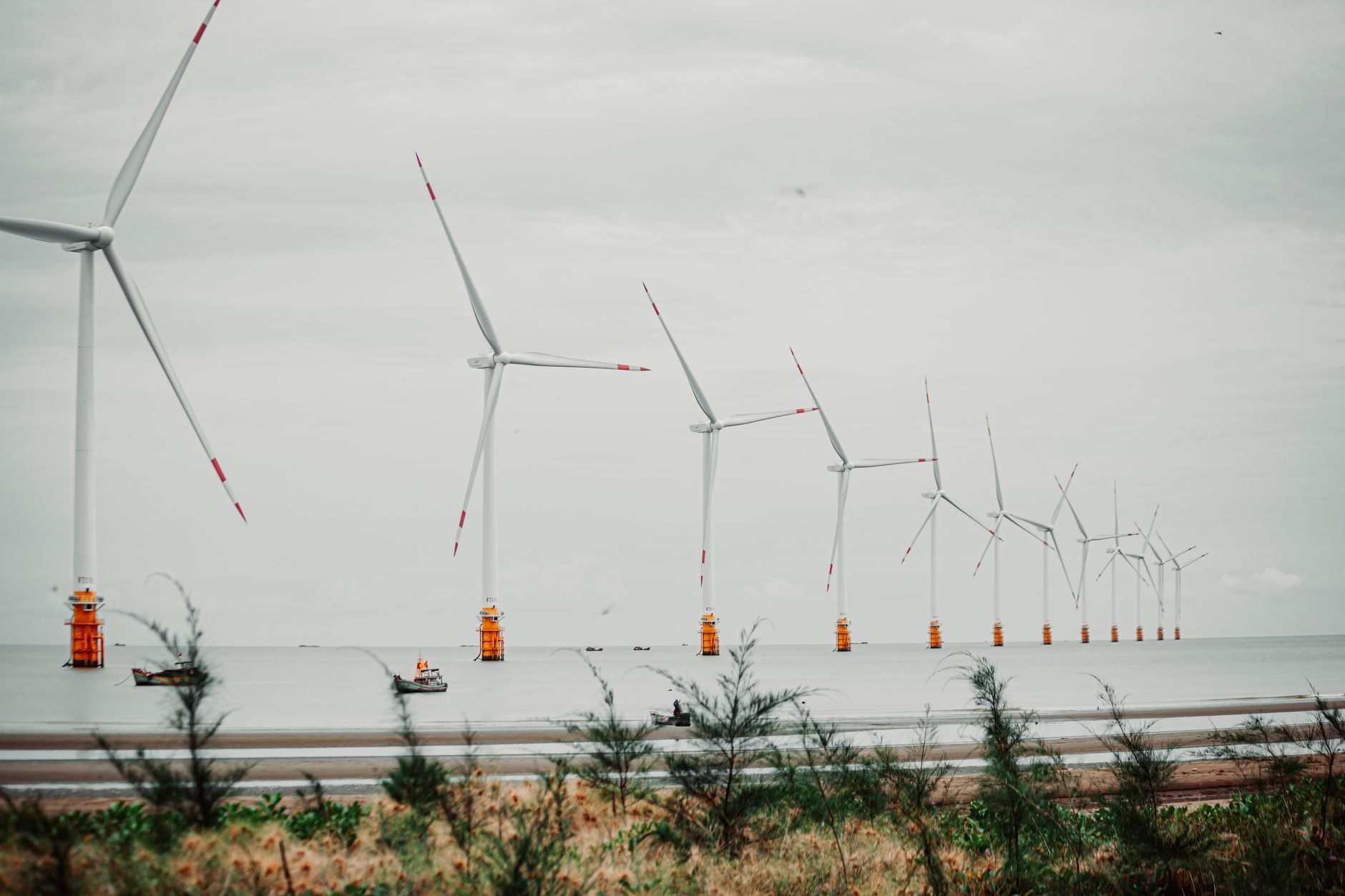
German offshore wind reform is facing a last-ditch appeal that could significantly alter its trajectory. Stakeholders are concerned about the implications for renewable energy development in the country.
Overview of German Offshore Wind Reform
The recent German offshore wind reform has sparked significant debate among stakeholders in the energy sector. This reform aims to accelerate the development of offshore wind projects, which are crucial for achieving Germany’s climate targets. The government has proposed several measures to streamline the approval process and enhance investment in renewable energy sources.
Key aspects of the reform include:
- Faster permitting processes: The new regulations are designed to reduce bureaucratic hurdles, allowing projects to move from conception to construction more efficiently.
- Increased capacity targets: The government plans to set ambitious targets for offshore wind capacity, aiming for a substantial increase by 2030.
- Financial incentives: The reform includes provisions for subsidies and other financial support to attract both domestic and international investors.
Despite the potential benefits, some industry leaders have raised concerns about the implementation timeline and the adequacy of support for existing projects. The ongoing discussions reflect the complex balance between rapid energy transition and careful regulatory oversight.
Implications of the Last-Ditch Appeal
The recent developments surrounding the German offshore wind reform have sparked significant debate among stakeholders. As the last-ditch appeal unfolds, various implications for the energy landscape are becoming apparent.
Firstly, the appeal could lead to potential delays in the implementation of the reform, which aims to accelerate the transition to renewable energy. This could hinder Germany’s ambitious climate goals, particularly as the nation seeks to reduce its reliance on fossil fuels.
Additionally, the appeal may influence investor confidence in the offshore wind sector. Stakeholders are concerned that prolonged uncertainty could deter investments, essential for funding new projects and technology advancements.
Moreover, environmental considerations are at the forefront of discussions. Opponents of the reform argue that certain measures may compromise marine ecosystems, prompting calls for a more balanced approach that prioritizes both energy production and environmental protection.
Ultimately, the outcome of this last-ditch appeal will significantly shape the future of German offshore wind reform and its role in the broader energy transition.
Stakeholder Reactions to the Reform
Reactions from key stakeholders regarding the German offshore wind reform have varied significantly, highlighting the complexities of the energy transition. Supporters argue that the reform is a crucial step towards achieving Germany’s ambitious renewable energy targets. Environmental groups have expressed optimism, emphasizing that the increased investment in offshore wind energy is essential for reducing carbon emissions and combating climate change.
However, not all voices are in favor. Industry representatives have raised concerns over potential regulatory hurdles that may hinder the growth of offshore wind projects. They emphasize the need for a balanced approach that fosters innovation while ensuring environmental protection. One representative noted that “while the reform is a positive step, it must not stifle the progress we’ve made.”
Additionally, local communities have voiced mixed feelings. Some residents appreciate the economic opportunities that come with new projects, while others worry about the impact on their coastal landscapes. As discussions continue, it remains to be seen how these diverse opinions will shape the future of the German offshore wind reform and its role in the broader energy transition.
Future of Renewable Energy in Germany
The future of renewable energy in Germany is intricately linked to the recent German offshore wind reform, which is designed to enhance the country’s energy transition. As the nation aims to meet ambitious climate goals, offshore wind energy plays a pivotal role in reducing greenhouse gas emissions and increasing energy independence.
Key aspects that will shape this future include:
- Investment in Technology: Advancements in turbine technology and energy storage solutions will be essential for optimizing offshore wind energy production.
- Regulatory Support: Streamlined permitting processes and clear regulations will encourage investment and reduce bureaucratic delays.
- Public Awareness: Educating the public about the benefits of offshore wind can foster community support and acceptance.
- International Collaboration: Partnerships with neighboring countries can facilitate knowledge sharing and joint projects, enhancing regional energy security.
As the reform unfolds, it will not only influence Germany’s energy landscape but also set a precedent for other countries aiming to transition towards sustainable energy sources.
Photo by Phong Võ on Pexels
Read the original
Related stories
- GPT-6 Features: The Best Interactive Upgrade Yet
- Surface Laptop Ultra Release Date: The Right Price Revealed
- Nuri rocket launch: Right on schedule with proven success