

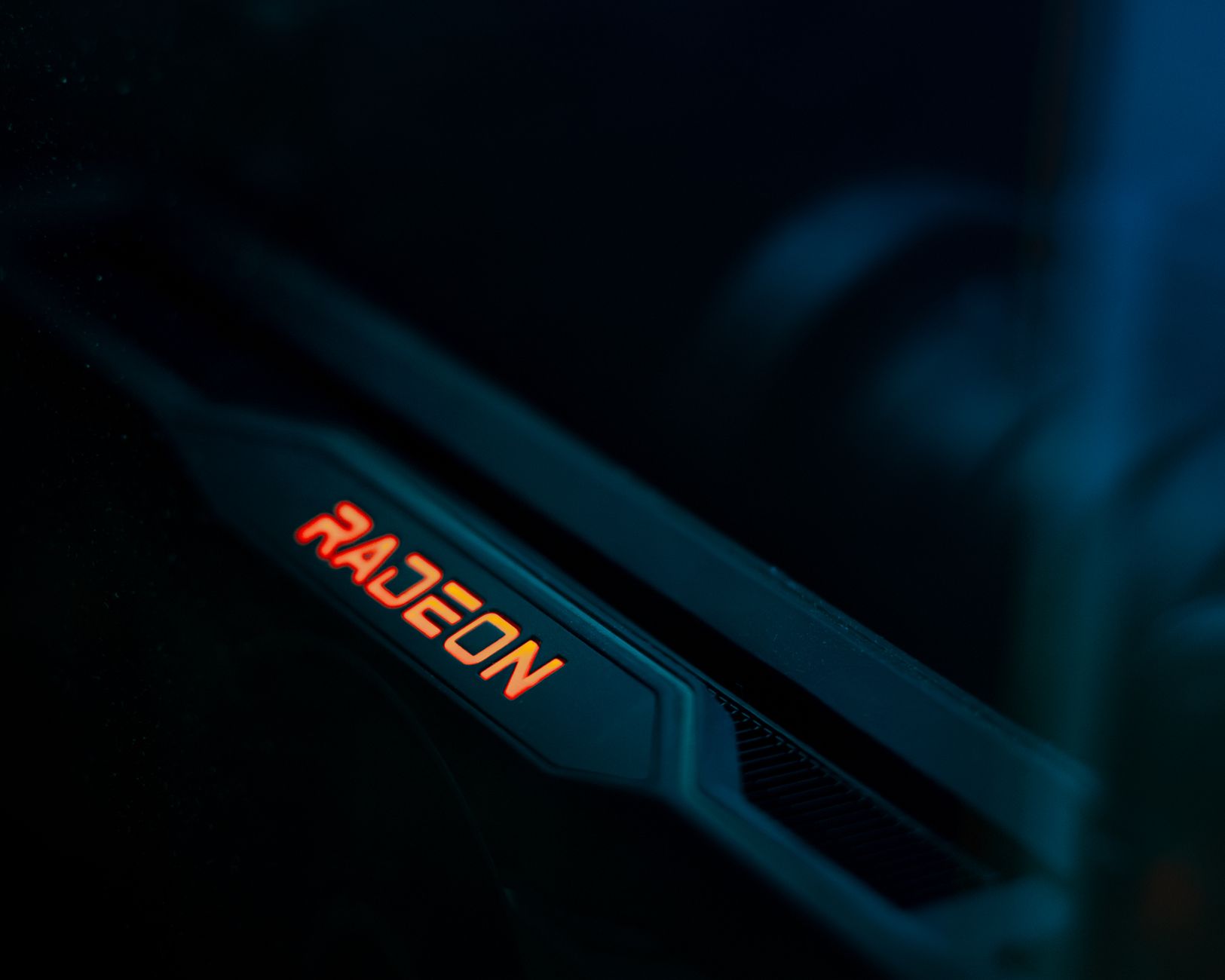
Radeon GPU price increase is making headlines as AMD reportedly raises prices in China. This change affects several models but leaves the RX 9070 XT untouched.
Overview of AMD’s Price Changes
AMD has recently made headlines with its decision to raise prices on a range of Radeon GPUs in China, stirring discussions among tech enthusiasts and gamers alike. This price increase comes at a time when demand for high-performance graphics cards is surging, particularly due to the ongoing popularity of gaming and content creation.
According to various reports, the new pricing structure affects several models in the Radeon lineup. Notably, the RX 9070 XT has been spared from this adjustment, maintaining its previous price point, which may provide some stability for consumers looking for value in a competitive market.
As AMD navigates the challenges of production costs and supply chain issues, the decision to implement a Radeon GPU price increase highlights the company’s strategy to balance profitability with market demands. Consumers are now faced with the prospect of higher costs for their desired models, prompting many to reconsider their purchasing decisions.
In summary, while the RX 9070 XT remains unaffected, the overall increase in Radeon GPU pricing could lead to shifts in consumer behavior and market dynamics in the coming months. As AMD continues to adapt, stakeholders will be closely monitoring the impact of these changes on sales and consumer sentiment.
Impact on Radeon GPU Sales
The recent increase in Radeon GPU prices by AMD has raised concerns among consumers and industry analysts alike. As the company adjusts its pricing strategy in China, many are speculating about the potential impact on Radeon GPU sales in the region.
Several factors may contribute to a decline in sales, including:
- Consumer Sentiment: Gamers and PC builders may feel discouraged by the price hike, leading to a decrease in demand for Radeon GPUs.
- Competitive Landscape: With rival products becoming more appealing due to stable pricing, consumers may opt for alternatives instead of investing in AMD’s offerings.
- Market Conditions: Economic uncertainty in China could further exacerbate the situation, impacting disposable income and consumer spending on high-end graphics cards.
Despite these challenges, some industry experts believe that the Radeon GPU price increase could lead to a temporary spike in sales as early adopters rush to purchase before prices rise further. However, the long-term implications remain uncertain, as sustained price hikes may result in decreased loyalty to the brand.
Ultimately, the success of AMD’s pricing strategy will depend on its ability to balance profitability with consumer expectations and competition in the graphics card market.
Comparison with Competitors
In the wake of the recent Radeon GPU price increase in China, comparisons with competitors highlight AMD’s evolving position in the graphics card market. Nvidia and Intel have been making significant strides with their GPU offerings, particularly in terms of performance and pricing strategies.
While AMD has opted for a price hike on several Radeon models, the RX 9070 XT remains unchanged, which raises questions about the company’s pricing strategy. In contrast, Nvidia has been aggressively competing by offering competitive pricing on its latest RTX series, which are known for their superior ray tracing capabilities and robust performance in gaming.
- Nvidia RTX Series: Offers a range of options that cater to both budget-conscious gamers and high-end enthusiasts.
- Intel Arc GPUs: Although relatively new to the market, they have been priced attractively to entice consumers looking for alternatives.
The disparity in pricing strategies may influence consumer choice in the short term. AMD’s decision to increase prices on certain Radeon GPUs could drive potential buyers toward Nvidia or Intel products, especially if they perceive better value in their offerings. As the competition intensifies, AMD will need to carefully navigate its pricing to maintain market share against these formidable rivals.
Consumer Reactions to Price Increase
As news of the Radeon GPU price increase spreads, consumers have taken to various online platforms to share their reactions. Many gamers and PC builders expressed frustration over the unexpected price hikes, especially in a market already grappling with inflation and supply chain issues.
In forums and social media threads, users voiced concerns about the affordability of upgrading their systems. One user remarked, “With the recent Radeon GPU price increase, it feels like AMD is out of touch with the gaming community.” Others highlighted the RX 9070 XT, which reportedly remains unchanged in price, as a potential saving grace in the lineup.
Despite the discontent, some consumers understand the broader market pressures affecting pricing. “While I don’t like the increase, I get that production costs have risen,” said a self-identified tech enthusiast. However, the prevailing sentiment appears to be one of disappointment, with many questioning whether AMD will maintain its competitive edge against rivals who may not be raising their prices.
In addition, several users have begun exploring alternative brands, indicating a potential shift in loyalty as they seek more affordable options in the GPU market.
Future of Radeon GPUs in China
The future of Radeon GPUs in China appears uncertain following AMD’s recent price adjustments. As the company raises prices on several models, including popular series such as the RX 6000 and RX 7000, consumers are left questioning the long-term implications of these changes. The decision to increase Radeon GPU prices may affect AMD’s competitive edge, particularly in a market already dominated by other major players.
Industry analysts suggest that while the pricing strategy could bolster AMD’s profit margins, it might alienate price-sensitive consumers who are increasingly leaning towards alternatives. The RX 9070 XT remains unchanged in pricing, possibly indicating AMD’s attempt to maintain a flagship model that could attract enthusiasts despite the overall price hikes.
Moreover, the demand for GPUs in China is expected to fluctuate as gamers and creative professionals reassess their purchasing decisions. As local manufacturers begin to respond to AMD’s price changes, consumers may find themselves with more options, potentially leading to increased competition.
In the long run, AMD’s strategy could reshape the landscape of GPU sales in China, as consumers weigh the benefits of performance against the rising costs of Radeon GPUs. Only time will tell if this approach will yield positive results for AMD in the highly competitive market.
What to Expect from AMD Next
As AMD navigates the challenges of a fluctuating market, consumers and industry experts alike are keenly anticipating what the company will do next regarding its Radeon GPU pricing strategy. Following the recent price increase of Radeon GPUs in China, speculation is rife about potential adjustments in other regions and future product lines.
Analysts suggest that AMD may adopt a more cautious approach moving forward, considering the backlash from consumers and the competitive landscape. The decision to raise prices could be influenced by various factors, including production costs and supply chain issues, but it will be crucial for AMD to maintain a balance between profitability and consumer trust.
Furthermore, AMD is expected to focus on innovations in its next-generation GPUs, which may help mitigate consumer dissatisfaction. If AMD can deliver improved performance and efficiency, it may justify the price increase and retain its user base.
- Enhanced Features: Consumers might see new technologies integrated into future Radeon models.
- Competitive Pricing: AMD could strategically price its offerings to compete with NVIDIA.
- Consumer Engagement: Increased transparency in pricing strategies could help rebuild trust.
In conclusion, the future of Radeon GPUs hinges on AMD’s ability to adapt and respond to market demands while managing the ramifications of the recent price increase.
The Radeon GPU price increase has sparked concerns among gamers and tech enthusiasts alike. Many are now questioning how this Radeon GPU price increase will affect the overall market and availability of graphics cards.
Photo by Nikolaos Kofidis on Pexels
Where this came from
Related reading
- On-Demand GPU Prices: Are They Worth the Increase?
- Aftergods action RPG: The Best Survivalite Game Revealed
- German offshore wind reform: Right Move for Energy Transition