

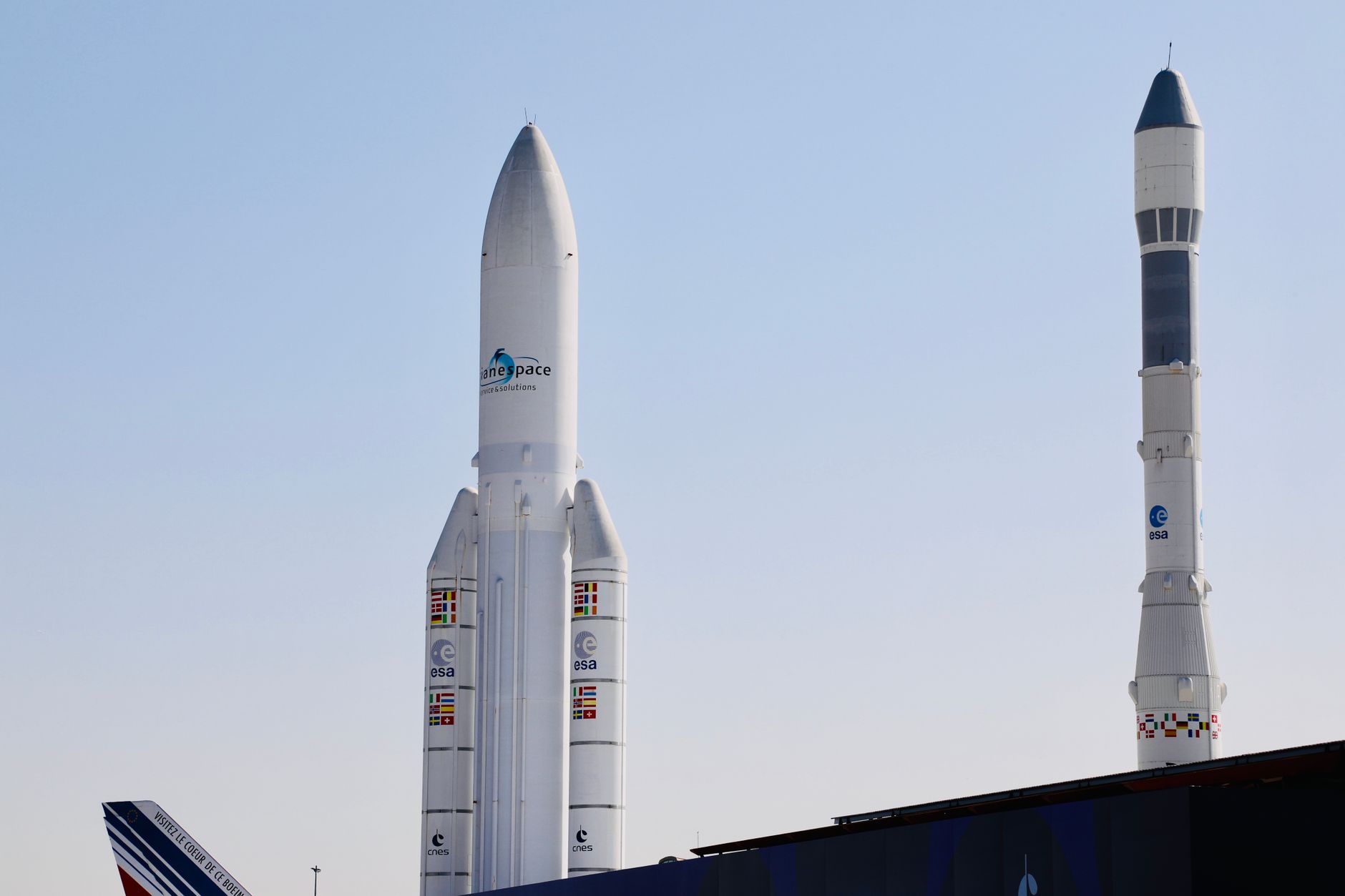
Italian rocket satellites are launching to check the health of Earth’s environment, providing crucial data for climate monitoring and ecological research.
Overview of the Italian rocket launch
The recent launch of Italian rocket satellites marks a significant advancement in environmental monitoring technology. These satellites are designed to assess various aspects of Earth’s health, providing valuable data for scientists and policymakers alike.
During the launch, a state-of-the-art Italian rocket successfully delivered a fleet of satellites into orbit, each equipped with advanced sensors. These instruments are capable of measuring:
- Air quality
- Water pollution levels
- Deforestation rates
- Climate change indicators
The importance of monitoring Earth’s environment cannot be overstated. With increasing concerns about climate change and pollution, the data collected by these satellites will help in making informed decisions to protect our planet. Furthermore, the use of Italian rocket satellites demonstrates the country’s commitment to innovation in space technology and its role in global environmental efforts.
This launch not only enhances Italy’s capabilities in space exploration but also contributes significantly to the international dialogue on sustainable development and environmental preservation.
Importance of environmental monitoring
Environmental monitoring is crucial for understanding the health of our planet and addressing the challenges posed by climate change. The deployment of Italian rocket satellites plays a significant role in this endeavor, providing essential data that can guide policy decisions and conservation efforts.
Through advanced technologies, these satellites are capable of:
- Measuring air quality: Monitoring pollutants and greenhouse gases is vital for assessing the impact of human activities on the atmosphere.
- Tracking deforestation: Observing changes in forest cover helps in understanding biodiversity loss and carbon sequestration.
- Assessing water resources: These satellites can analyze water bodies, ensuring sustainable management of this critical resource.
- Studying land use changes: Understanding urban expansion and agricultural practices is essential for planning and resource allocation.
By leveraging the capabilities of Italian rocket satellites, researchers and policymakers can obtain real-time insights into environmental conditions. This information not only aids in immediate response efforts but also contributes to long-term strategies aimed at enhancing Earth’s overall health and sustainability.
How satellites check Earth’s health
Italian rocket satellites play a crucial role in monitoring the health of our planet. These advanced devices are equipped with sophisticated sensors that collect vital data on various environmental factors. By analyzing this information, scientists can track changes in climate, air quality, and water resources.
One of the primary functions of these satellites is to gather data on:
- Greenhouse gas emissions: Monitoring the levels of gases such as carbon dioxide and methane helps in assessing the impact of human activities on climate change.
- Land use changes: Tracking deforestation and urban expansion allows for a better understanding of how land use affects biodiversity and ecosystems.
- Ocean health: Satellites can measure sea surface temperatures and chlorophyll concentrations, providing insight into marine life and ocean health.
Through the data gathered by Italian rocket satellites, researchers can make informed predictions about future environmental conditions. This information is vital for policymakers and conservationists working to protect our planet. The ongoing advancements in satellite technology continue to enhance our ability to monitor Earth’s health effectively.
Technological advancements in satellite design
Recent technological advancements in satellite design have significantly enhanced the capabilities of Italian rocket satellites, making them essential tools for monitoring Earth’s health. These innovations encompass a range of improvements in materials, propulsion systems, and data collection technologies.
One major advancement is the development of lightweight materials that allow for more efficient satellite construction. These materials not only reduce launch costs but also enable satellites to carry more sophisticated sensors. This means that the data collected can be more comprehensive and accurate, providing critical insights into environmental changes.
Additionally, the integration of advanced propulsion technologies has improved the maneuverability and lifespan of these satellites. This allows them to maintain optimal orbits and ensures they can operate longer in space, continuously monitoring key environmental indicators.
Furthermore, the implementation of cutting-edge data processing algorithms has revolutionized how information is analyzed. Satellites can now deliver real-time data that supports immediate responses to environmental challenges. As a result, Italian rocket satellites play a pivotal role in shaping our understanding of ecological dynamics and fostering sustainable practices globally.
Future missions and their goals
The future of Italian rocket satellites looks promising, with several planned missions aimed at enhancing our understanding of Earth’s health. These upcoming launches will focus on a variety of environmental challenges that threaten ecosystems worldwide.
Key goals for future missions include:
- Enhanced Climate Monitoring: Satellites will be equipped with advanced sensors to provide real-time data on atmospheric changes and greenhouse gas emissions.
- Biodiversity Assessment: New missions will focus on monitoring wildlife habitats and tracking the impacts of climate change on various species.
- Disaster Management: Italian rocket satellites will play a crucial role in early warning systems, helping to predict natural disasters and assess damage after events such as floods and wildfires.
- Water Resource Management: Future satellites will monitor freshwater sources, ensuring sustainable management and usage in response to global water scarcity.
Through these initiatives, Italian rocket satellites aim to not only advance scientific research but also contribute significantly to global efforts in environmental protection and sustainability.
Impact on climate science and policy
The deployment of Italian rocket satellites has significant implications for climate science and policy. These advanced satellites provide essential data that aids researchers in understanding environmental changes and their impact on ecosystems. By monitoring factors such as temperature fluctuations, greenhouse gas concentrations, and land use changes, scientists can make informed predictions about future climate scenarios.
Moreover, the data collected by these satellites serves as a crucial tool for policymakers. With accurate and timely information, governments can implement effective strategies to combat climate change and promote sustainable practices. The ability to track environmental health in real-time allows for a more responsive approach to ecological crises, ensuring that interventions are both timely and effective.
In addition to climate monitoring, the insights gained from Italian rocket satellites can influence international agreements and collaborations aimed at environmental protection. As nations work together to address global warming, the evidence provided by these satellites can facilitate dialogue and drive collective action.
Overall, the role of Italian rocket satellites in climate science and policy underscores their importance in safeguarding the planet’s future.
Photo by Léa Claisse on Pexels
Sources
- Intel stock gains: Proven AI momentum drives price hikes
- iPhone 18 Pro update: Best colors revealed before launch
- Rocket Lab launch cadence: The Smart Approach to Competition