

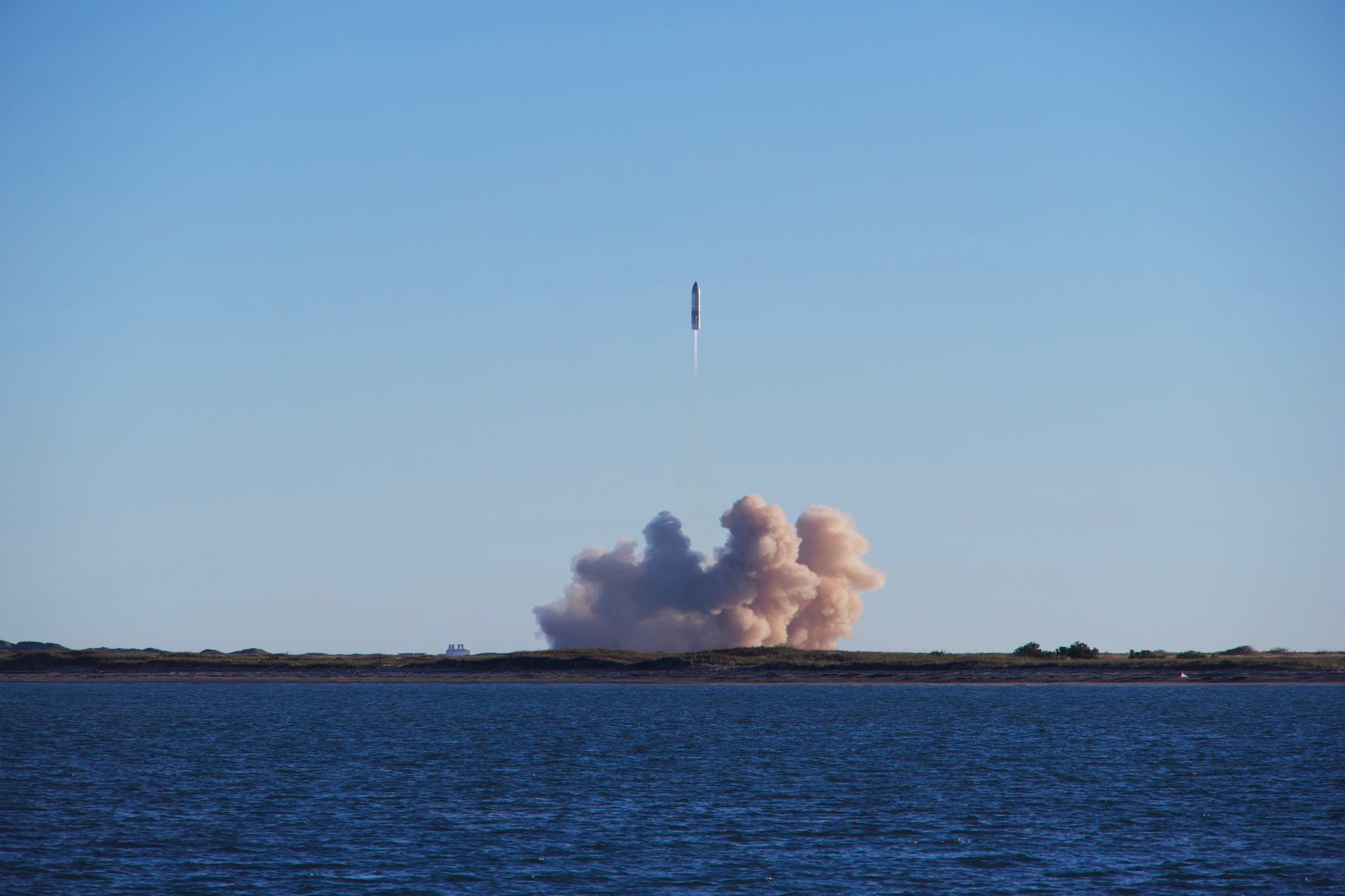
Rocket Lab launch cadence is becoming increasingly important as they navigate a hardening competitive landscape in the space sector. Their ability to balance record launches with emerging challenges is noteworthy.
Understanding Rocket Lab’s Strategy
Rocket Lab has been making headlines with its impressive launch cadence, demonstrating a strategic approach that sets it apart in the competitive aerospace industry. By focusing on a streamlined production process and efficient launch schedules, the company aims to meet the growing demand for satellite deployments.
One of the key components of Rocket Lab’s strategy is its ability to balance volume and reliability. The company has successfully increased the frequency of its launches while maintaining high safety standards. This dual focus allows Rocket Lab to cater to a diverse clientele, from governmental organizations to commercial enterprises.
Moreover, Rocket Lab’s innovative use of technology plays a crucial role in enhancing its launch cadence. The development of the Electron rocket and the Photon satellite platform showcases the firm’s commitment to advancing its capabilities. This technical proficiency not only attracts new customers but also strengthens its position against emerging competitors.
As the landscape of the aerospace sector evolves, Rocket Lab’s adaptability is evident. By continuously refining its operational framework, the company is poised to sustain its launch cadence even in the face of increasing competition. This strategic foresight is essential for Rocket Lab to maintain its leadership and further establish itself in the market.
The Rise of Competition in Space
The space industry is witnessing an unprecedented surge in competition, with numerous companies vying for a piece of the lucrative launch market. As more players enter the field, the pressure on established firms like Rocket Lab intensifies. The rise of these competitors has prompted a reevaluation of strategies and operational efficiencies.
New entrants are not only increasing the number of available launch options but are also innovating with advanced technologies and reduced costs. This shift has forced Rocket Lab to enhance its own launch cadence, ensuring that it remains a key player in the rapidly evolving marketplace.
Key competitors include:
- SpaceX – Known for its reusable rockets and aggressive pricing.
- Blue Origin – Focused on both suborbital and orbital launches, emphasizing sustainability.
- Arianespace – A long-standing player with a commitment to reliability.
- Virgin Orbit – Utilizing air-launch technology to deliver small satellites efficiently.
As the competition heats up, Rocket Lab’s ability to maintain its launch cadence will be crucial for its long-term success. By balancing innovation with operational demands, Rocket Lab aims to carve out a sustainable niche in this dynamic environment.
Key Milestones in Launch Cadence
Rocket Lab has made significant strides in enhancing its launch cadence, positioning itself as a formidable player in the competitive space industry. Achieving a record launch frequency, the company has set several key milestones that reflect its strategic approach.
- First Successful Launch: In May 2017, Rocket Lab successfully launched its Electron rocket, marking its entry into the commercial launch market.
- Increased Launch Frequency: By 2020, the company had ramped up its launch cadence to as many as 12 missions per year, demonstrating its commitment to meeting growing customer demand.
- Expansion of Operations: In 2021, Rocket Lab expanded its launch capabilities with the addition of a second launch site in the U.S., aiming to support even more frequent launches.
- Innovative Technology: The introduction of the Photon satellite platform in 2022 showcased Rocket Lab’s ability to diversify its services while maintaining its launch cadence.
- Upcoming Missions: Looking ahead, Rocket Lab has announced ambitious plans for 2023 and beyond, with targets of launching multiple missions each month, solidifying its status in a hardening competitive landscape.
These milestones highlight Rocket Lab’s methodical approach to enhancing its launch cadence while navigating the complexities of competition in space.
Challenges Faced by Rocket Lab
Rocket Lab has carved out a niche in the burgeoning space industry, but it faces several challenges as it strives to maintain its launch cadence amidst intensifying competition. One major hurdle is the increasing number of players entering the market, each vying for a share of satellite deployment opportunities. This influx not only raises the stakes but also pressures pricing strategies, pushing Rocket Lab to innovate continuously.
Additionally, the technical complexities involved in rocket launches present ongoing challenges. Each launch requires meticulous planning and execution, and any mishap can delay schedules and impact the company’s reputation. The need for rapid yet reliable launches sometimes creates a delicate balancing act for Rocket Lab as it strives to meet demand while ensuring safety and performance.
Moreover, as government contracts increasingly favor larger companies with extensive resources, Rocket Lab must enhance its capabilities to remain competitive. This scenario is further complicated by supply chain disruptions that can affect launch readiness and timelines.
To overcome these obstacles, Rocket Lab is focusing on optimizing its operations and investing in technology that supports a consistent launch cadence. The company understands that to thrive in this challenging landscape, it must not only compete on frequency but also on reliability and innovation.
Innovations Driving Success
As Rocket Lab continues to enhance its launch cadence, a range of innovations is propelling the company toward greater success. One of the most significant advancements is the implementation of reusable rocket technology. This strategy not only reduces costs but also increases the frequency of launches, allowing Rocket Lab to maintain a competitive edge. The company’s Electron rocket has successfully demonstrated reusability, enabling rapid turnaround times for subsequent missions.
In addition, Rocket Lab has focused on streamlining its manufacturing processes. By adopting advanced automation and optimizing supply chain logistics, the company has significantly reduced production times for its rockets. This efficiency is critical in today’s fast-paced space industry, where meeting client demands quickly can make all the difference.
Furthermore, Rocket Lab’s commitment to innovation extends to its payload integration services. The company has developed flexible solutions that cater to a wide variety of customer needs, from small satellite launches to larger payloads. This adaptability has attracted a diverse range of clients, further solidifying its position in the market.
Overall, these innovations are not just about keeping pace; they illustrate Rocket Lab’s proactive approach to the evolving landscape of space competition. By focusing on both technology and customer service, Rocket Lab is well-positioned to thrive in a challenging environment.
Future of Space Launches
The future of space launches is set to be defined by the increasing pace of innovations and the competitive strategies adopted by companies like Rocket Lab. As the space industry evolves, the Rocket Lab launch cadence will play a crucial role in how effectively the company can respond to growing market demands.
With new players entering the arena, Rocket Lab is focusing not only on expanding its launch frequency but also on improving its technology. This dual approach helps the company maintain a competitive edge while meeting the increasing frequency of satellite deployments and other missions.
Looking ahead, several key trends are likely to shape the future of space launches:
- Increased Demand: The need for satellite constellations and space exploration missions is on the rise, pushing companies to ramp up their launch capabilities.
- Technological Advancements: Innovations in rocket design and reusable technology will continue to streamline launch processes and reduce costs.
- Collaborative Efforts: Partnerships between companies and governmental organizations may lead to more efficient launches and shared resources.
As Rocket Lab navigates this dynamic landscape, its effective launch cadence will be pivotal in securing its position as a leader in the space industry.
Rocket Lab’s Impact on the Industry
Rocket Lab has significantly impacted the space industry with its unique approach to launch cadence. By prioritizing rapid and reliable launches, the company has carved a niche for itself amidst fierce competition. This strategy not only enhances its market presence but also attracts a diverse clientele, including commercial satellite operators and government agencies.
One of the key factors contributing to Rocket Lab’s success is its ability to maintain a consistent launch schedule. This rocket launch cadence allows clients to plan their missions more effectively, ensuring that satellite deployments align with market demands. As a result, many businesses are turning to Rocket Lab for their launch needs instead of larger, more traditional providers.
Furthermore, Rocket Lab’s innovative technologies, such as the Electron rocket and the Photon satellite platform, enable it to offer flexible and cost-effective solutions. This adaptability has not only raised the company’s profile but also pushed competitors to innovate and improve their offerings.
As Rocket Lab continues to refine its launch cadence, its impact on the industry will likely be profound. The company’s focus on efficiency and reliability sets a new standard, encouraging others in the space sector to rethink their strategies and embrace a more dynamic approach to launching payloads into orbit.
The Rocket Lab launch cadence has proven to be a strategic advantage in the competitive space industry. By optimizing their Rocket Lab launch cadence, the company can respond swiftly to market demands and customer needs.
Photo by Forest Katsch on Pexels
References
Related stories
OpenAI Wiki Hijack: Is This the Worst Security Breach Ever? · Is the Legon Fund for AI Startups the Best Investment? · September Android features: Best proven updates to activate