

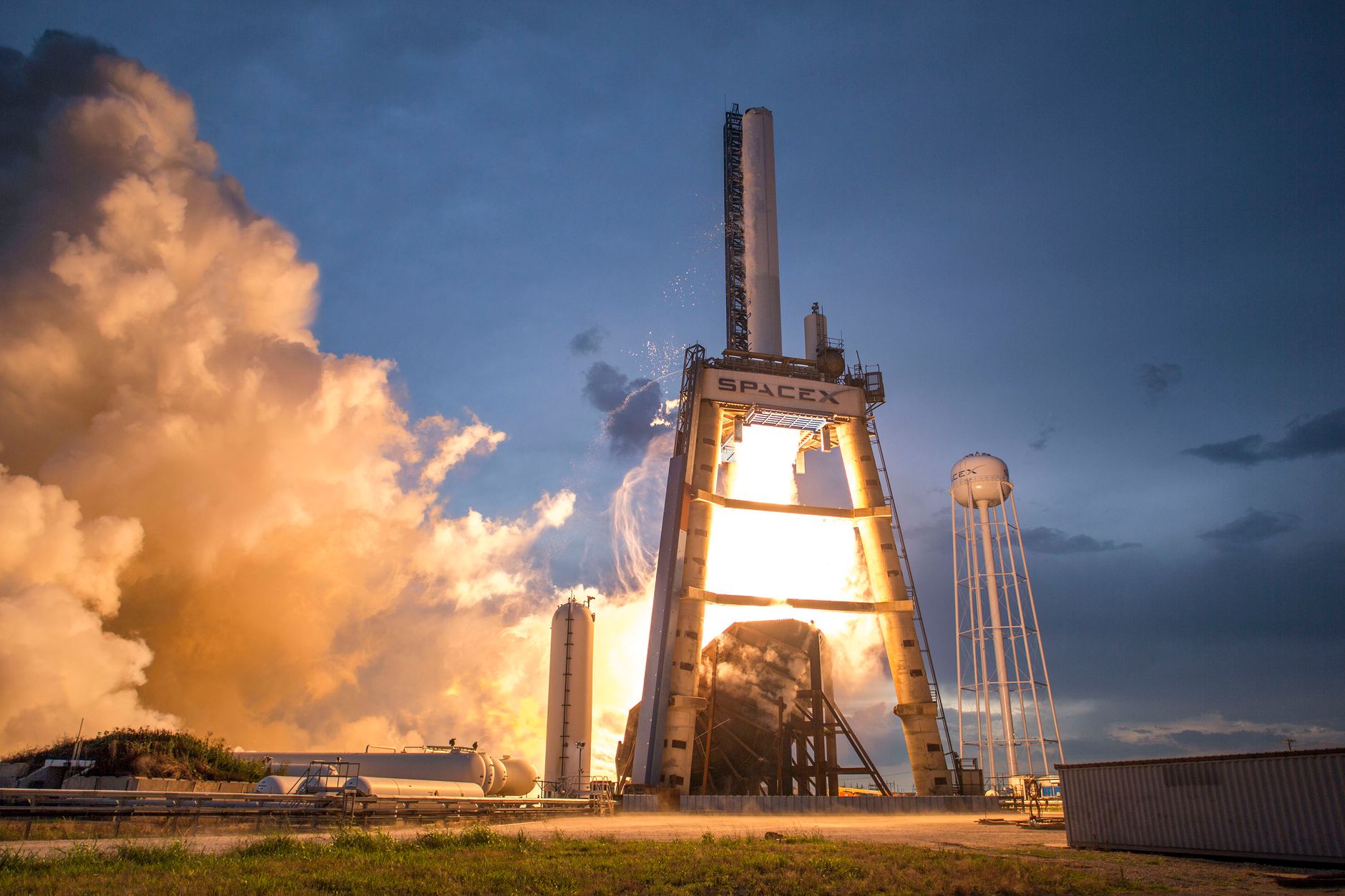
SpaceX military launches are a crucial aspect of the company’s operations, balancing the needs of classified missions with the expansion of civilian satellite services.
Overview of SpaceX Military Launches
SpaceX has established itself as a leader in the aerospace industry, especially with its military launches. The company’s ability to adapt and innovate has made it a preferred choice for the U.S. Department of Defense and other military organizations. Recent reports highlight how SpaceX balances its classified military launches with the expansion of its civilian satellite operations.
With a proven track record, SpaceX has successfully executed numerous military missions, demonstrating reliability and efficiency. The company utilizes its Falcon 9 and Falcon Heavy rockets to transport payloads into orbit, ensuring that national security remains a top priority.
Key strategies contributing to the success of SpaceX military launches include:
- Cost Efficiency: Reducing launch costs significantly compared to traditional aerospace companies.
- Reusability: Implementing reusable rocket technology that lowers expenses and turnaround times.
- Innovation: Continuously developing advanced technologies to enhance payload capacity and mission capabilities.
- Strong Partnerships: Collaborating closely with government agencies to meet specific military requirements.
As SpaceX continues to grow, its military launches remain a critical component of its strategy, ensuring that it meets the demands of both defense and commercial sectors.
The Importance of Civilian Satellites
The integration of civilian satellites into SpaceX’s operations has become increasingly important, particularly in the context of SpaceX military launches. These civilian satellites provide vital data and communications capabilities that can enhance national security efforts.
One key advantage of utilizing civilian satellites is their ability to complement military objectives by offering a broader perspective of global events. This is crucial for defense agencies that rely on timely and accurate information to make informed decisions. Civilian satellites often gather data on weather patterns, environmental changes, and other phenomena that can impact military operations.
Moreover, the collaboration between commercial satellite companies and the military enables a cost-effective approach to space missions. By leveraging SpaceX’s proven technology and launch capabilities, defense agencies can achieve their goals without the exorbitant costs associated with traditional military space programs.
Additionally, as SpaceX continues to expand its fleet and capabilities, the potential for dual-use applications of satellite technology becomes more apparent. This synergy between civilian and military sectors not only fosters innovation but also ensures that national defense strategies remain robust and adaptive in an ever-changing global landscape.
- Enhanced data collection for military applications
- Cost-effective launch solutions
- Innovation through public-private partnerships
Balancing Security and Innovation
As SpaceX continues to expand its military launches portfolio, a key challenge remains: balancing security and innovation. The dual nature of these missions requires a delicate approach, ensuring that sensitive military payloads are protected while still pushing the boundaries of aerospace technology.
SpaceX has developed a reputation for its rapid iteration and adaptability, qualities that are essential for meeting the diverse needs of both military and civilian clients. However, the integration of classified missions alongside civilian satellite launches necessitates strict protocols to maintain operational security.
To achieve this balance, SpaceX employs several strategies:
- Robust Security Measures: Implementing advanced encryption and secure communication channels to safeguard sensitive information.
- Collaboration with Military Agencies: Engaging in continuous dialogue with the Department of Defense to ensure compliance with national security standards.
- Innovative Engineering Practices: Leveraging cutting-edge technology to enhance the reliability and efficiency of launch vehicles while minimizing risks.
Through these methods, SpaceX military launches not only fulfill defense requirements but also contribute to broader technological advancements that can benefit civilian applications.
Recent SpaceX Launch Successes
In recent months, SpaceX has achieved several notable successes in its military launch operations, showcasing its growing proficiency in handling complex missions. These milestones not only underline the company’s commitment to national security but also highlight its ability to balance the demands of military contracts with its expanding civilian satellite initiatives.
Among the most significant recent launches was the deployment of a batch of advanced military satellites designed to enhance communication and surveillance capabilities. This mission received high praise for its precision and efficiency, reflecting SpaceX’s innovative approach to launching sensitive payloads.
Another remarkable achievement involved the successful launch of a national security payload aboard the Falcon Heavy rocket. This mission marked a critical step in SpaceX’s ambitions to secure more military contracts, further establishing its reputation as a reliable partner for the U.S. Department of Defense.
Looking ahead, industry experts anticipate that SpaceX military launches will continue to evolve, incorporating cutting-edge technology and methodologies. As the company navigates the complexities of these missions, it remains poised to set new standards for success in the aerospace sector.
With a strong track record and an unwavering focus on innovation, SpaceX is redefining what is possible in military space operations.
Future of SpaceX in Military Contracts
The future of SpaceX in military contracts looks promising as the company continues to prove its capabilities through successful launches and innovative technologies. With a growing demand for both classified military missions and civilian satellite deployments, SpaceX has established a unique position in the aerospace industry.
As the U.S. Department of Defense seeks to enhance its satellite communication and surveillance capabilities, SpaceX military launches are becoming increasingly critical. The integration of advanced technologies, such as reusable rocket systems, not only reduces costs but also increases the frequency of launches, enabling rapid deployment of essential military assets.
The collaboration between SpaceX and military agencies is expected to deepen, particularly as the need for secure and efficient satellite systems rises. This partnership may lead to:
- Increased launch frequency: The ability to launch more satellites in shorter timeframes.
- Enhanced security measures: Implementing cutting-edge technology for safe and secure launches.
- Innovation in satellite technology: Development of more advanced satellites to meet evolving military needs.
As SpaceX continues to expand its operations, the synergy between military and civilian sectors will likely foster advancements that benefit both fields, ensuring a strong future in military contracts.
Challenges Faced by SpaceX
SpaceX has made significant strides in the realm of military launches, yet it faces a myriad of challenges that are pivotal to its success. One of the primary obstacles is the stringent regulatory environment. Navigating the complex legal and bureaucratic landscape requires meticulous planning and execution, which can delay mission timelines.
Another challenge involves maintaining the delicate balance between fulfilling military contracts and ensuring the reliability of its rockets. As SpaceX expands its military launch portfolio, it must continually prove the dependability of its Falcon 9 and Falcon Heavy vehicles under demanding conditions. Any failure could have severe repercussions, not just for the company but also for national security.
Moreover, competition in the space industry is intensifying. Established players and new entrants alike are vying for military contracts, pushing SpaceX to innovate rapidly while keeping costs in check. This pressure can lead to potential compromises in quality if not managed carefully.
Lastly, integrating new technologies while adhering to strict security protocols poses its own set of hurdles. SpaceX must ensure that its advancements do not compromise sensitive military data, thus requiring a careful approach to technological deployment.
In summary, while SpaceX military launches are on the rise, overcoming these challenges remains critical for their sustained success.
Conclusion on SpaceX’s Dual Focus
In conclusion, SpaceX’s dual focus on military launches and civilian satellite deployments illustrates its unique position in the aerospace industry. By effectively balancing these two areas, the company not only strengthens national security but also fosters innovation in satellite technology.
The successful integration of military launches into their broader operational framework demonstrates SpaceX’s commitment to meeting the demanding requirements of the Department of Defense while maintaining a competitive edge in the commercial satellite market. This dual approach has proven beneficial, as it allows for resource sharing and technological advancements that can be applied across both sectors.
Moreover, as SpaceX continues to secure military contracts, the company is poised to enhance its capabilities further, paving the way for future breakthroughs. The ongoing development of the Starlink network, for instance, highlights how military efficiency can intersect with civilian needs, ensuring robust communication systems for both domains.
As we look ahead, the challenges faced by SpaceX in navigating these dual priorities are substantial. However, with its track record of successful launches and innovative strategies, SpaceX appears well-equipped to tackle these obstacles, solidifying its position as a leader in military launches and beyond.
SpaceX military launches have consistently demonstrated the effectiveness of innovative technology in national defense. By analyzing past missions, we can identify the best proven strategies for success in future endeavors.
Photo by SpaceX on Pexels
References
Related reading
- Cheaper voice SMS recharge plans: Are they worth it?
- iPhone anti-snatching feature: Is it the best new security measure?
- Used graphics card prices: What’s the best deal now?