

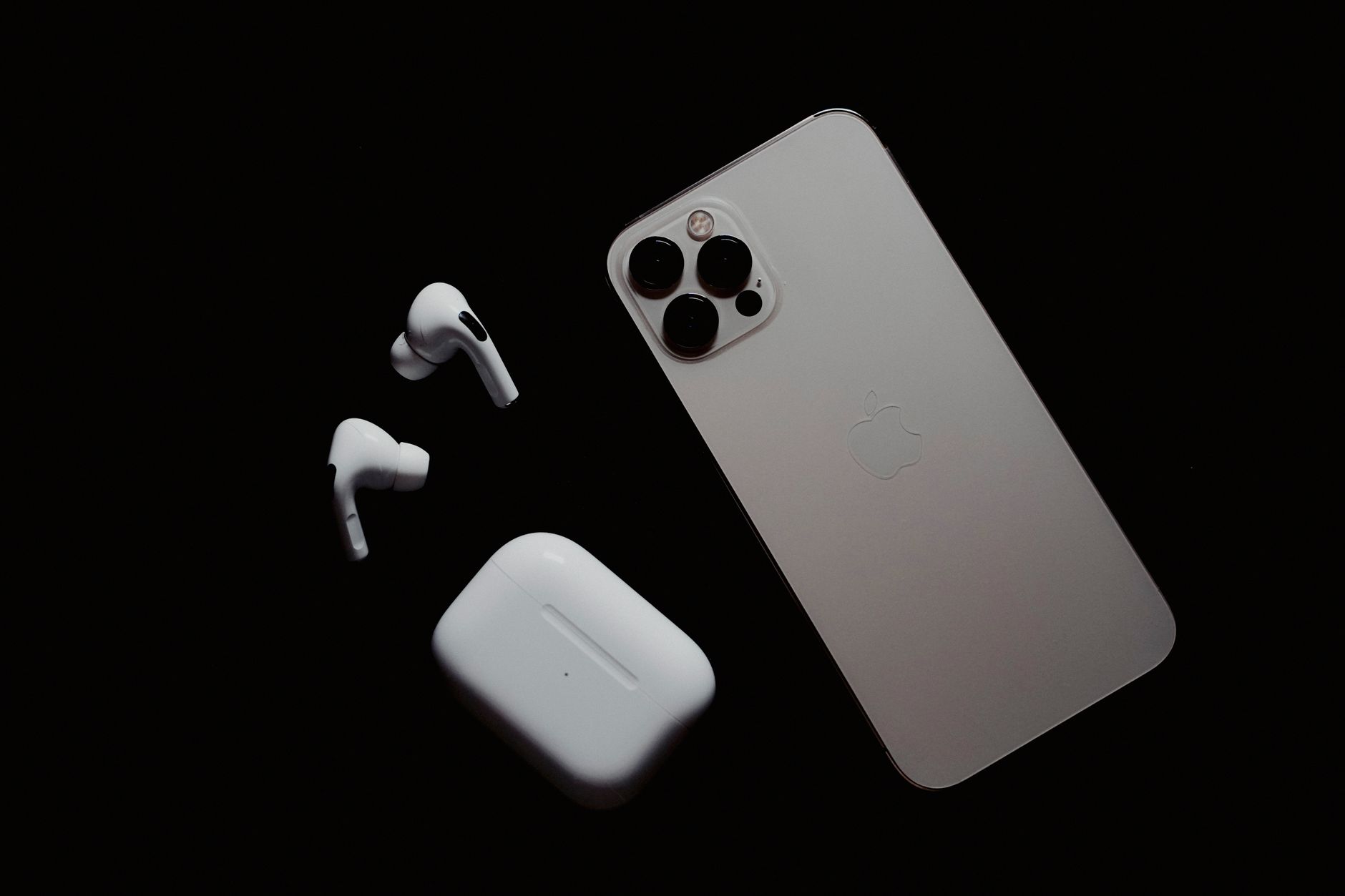
The iPhone anti-snatching feature is set to enhance security for users, as revealed in the latest iOS 27.2 beta 2. This unannounced feature aims to prevent theft effectively.
What is the iPhone anti-snatching feature?
The iPhone anti-snatching feature is an innovative security measure designed to protect users from theft, particularly in high-risk scenarios. This feature was recently highlighted in the iOS 27.2 beta 2, which revealed various details about its functionality and purpose.
Essentially, the iPhone anti-snatching feature aims to deter potential thieves by integrating advanced detection capabilities into the device. Once activated, it can recognize sudden movements or attempts to forcibly take the phone from the user’s grip.
Some key aspects of this feature include:
- Motion Detection: Utilizing the device’s sensors, the feature can identify abrupt changes in motion, signaling a potential theft attempt.
- Alert System: Upon detecting suspicious activity, the iPhone can trigger an alert, notifying the user and potentially scaring off the thief.
- Lockdown Mode: The feature may automatically engage a lockdown mode, which restricts access to sensitive information and applications during a theft scenario.
This advancement in security technology reflects Apple’s commitment to enhancing user safety and addresses growing concerns about smartphone theft. With the implementation of the iPhone anti-snatching feature, users can feel more secure in their daily lives, knowing that their device is equipped with protective measures against theft.
How does the new feature work?
The newly introduced iPhone anti-snatching feature is designed to enhance the security of the device in the event of a theft attempt. This innovative measure utilizes advanced sensors and software capabilities to detect unusual movements that may indicate a snatching incident.
When the feature is activated, the iPhone continuously monitors its position and orientation. If the device senses a sudden, forceful movement—such as being yanked from a user’s hand—it triggers a series of protective actions. These actions include:
- Immediate Lockdown: The iPhone instantly locks its screen, preventing unauthorized access to personal data.
- Location Tracking: The device sends a signal to the owner’s linked Apple ID, providing real-time location updates to aid in recovery efforts.
- Emergency Alerts: Users can set up notifications that automatically alert designated contacts about the potential theft.
This multi-layered approach not only deters thieves but also empowers users with tools to respond effectively. The feature is particularly beneficial for individuals in high-risk areas where snatching incidents are more prevalent. As the iPhone anti-snatching feature continues to evolve, it raises questions about its overall effectiveness and user adoption in everyday life.
Why is this important for iPhone users?
The introduction of the iPhone anti-snatching feature is significant for users, as it addresses a growing concern over smartphone theft in urban areas. With thefts on the rise, especially in crowded environments, having an effective security measure is essential for protecting personal devices. This new feature not only enhances the security of iPhones but also offers peace of mind to users who rely heavily on their devices for everyday tasks.
One of the primary reasons this feature is important is its potential to deter thieves. By implementing advanced technology that can detect sudden movements or attempts to snatch the device, the iPhone becomes less appealing to would-be criminals. This proactive approach to security could lead to a decrease in theft incidents, benefiting iPhone users across the globe.
Moreover, with smartphones containing sensitive information, including personal data and financial details, the risk of identity theft is a pressing issue. The anti-snatching feature adds an extra layer of protection, ensuring that users can feel secure while using their devices in public settings.
In addition to protecting physical devices, this feature also promotes a sense of community safety. When users feel safe, they are more likely to utilize their iPhones in public, which can lead to increased social interactions and engagement. Overall, the iPhone anti-snatching feature is a crucial development for modern smartphone security.
Future implications for mobile security
The introduction of the iPhone anti-snatching feature marks a significant advancement in mobile security that could reshape how users protect their devices in the future. As smartphone thefts continue to rise globally, this feature addresses a pressing concern for millions of iPhone users. It not only enhances personal security but also aims to deter potential thieves with its innovative technology.
In the coming years, we may see a ripple effect across the mobile industry, as other manufacturers could adopt similar anti-theft measures to ensure user safety. This could lead to a new standard in mobile security, where features designed to prevent theft become as common as biometric authentication or encryption.
Moreover, as awareness grows about the importance of securing personal devices, users may start prioritizing smartphones with advanced security features. This shift in consumer behavior could compel tech companies to invest more heavily in developing cutting-edge security technologies.
Additionally, the iPhone anti-snatching feature may pave the way for further innovations, such as integration with smart home security systems or enhanced tracking capabilities that could assist law enforcement. As mobile security becomes an increasingly critical issue, the implications of this feature could extend well beyond individual devices, influencing broader societal approaches to safety and security.
Photo by Akaaljotsingh Anandpuria on Pexels
Sources
- Used graphics card prices: What’s the best deal now?
- Chicken or Egg: The Proven Answer to a Timeless Question
- Muse app downloads: Best proven success in two weeks