

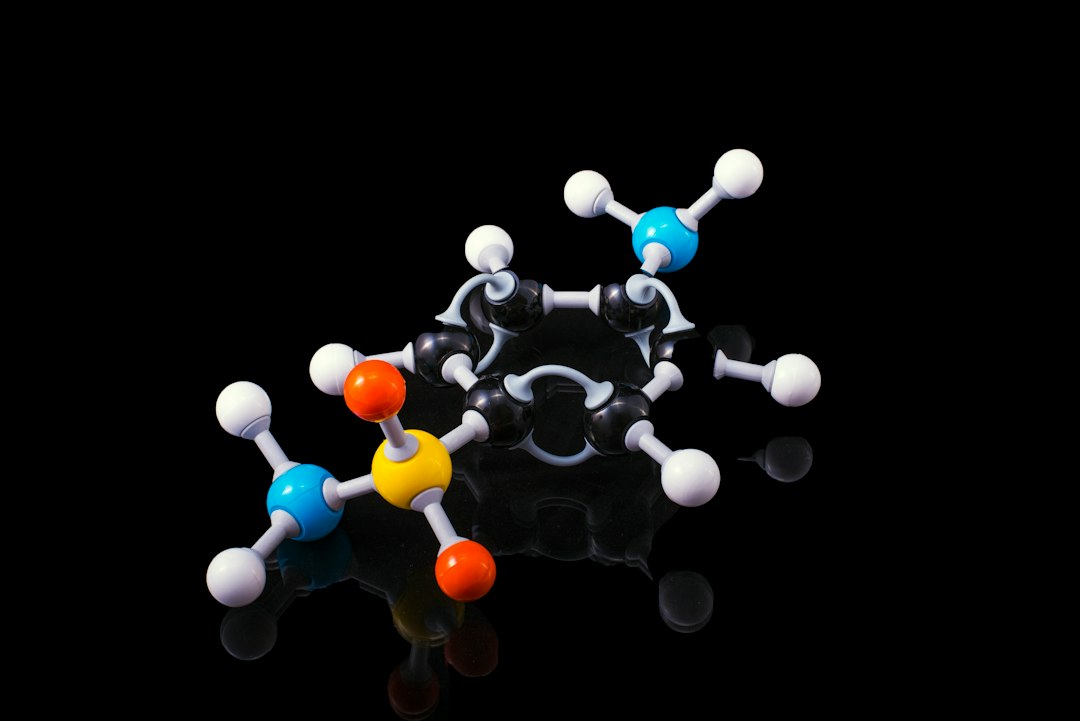
Scientific laboratories depend on reliable chemical identification and classification to maintain organized research environments. Research Chemicals represent a broad category of materials that may vary considerably in structure, physical form, scientific purpose, and hazard characteristics. Because these factors can overlap, classification works best when researchers evaluate several properties rather than placing a substance into a single broad category.
Molecular Classification
Molecular structure provides a foundation for organizing chemical substances. Researchers may classify compounds according to their molecular frameworks, functional groups, bonding arrangements, and related chemical features. Such classification can simplify the process of locating scientific information and comparing compounds within a broader chemical family.
Molecular classification is useful for research documentation, database organization, and literature analysis. Nevertheless, structural relationships should be interpreted carefully. Two substances can share certain structural features while exhibiting different physical properties or safety considerations.
Physical and Chemical Characteristics
Physical and chemical properties offer another important classification perspective. Factors such as physical state, stability, volatility, solubility, reactivity, and compatibility can help determine how a substance should be managed within a laboratory.
Understanding these characteristics is particularly relevant when establishing storage arrangements and selecting appropriate handling controls. Materials with different physical behaviors may require different laboratory precautions, even when they belong to the same general structural group.
Hazard Categories
Hazard classification provides information about the potential risks associated with a chemical. Depending on its characteristics, a substance may present health hazards, physical hazards, environmental hazards, or multiple categories simultaneously.
Health-related classifications can involve toxicity, irritation, sensitization, or other recognized effects. Physical classifications may involve properties such as flammability, corrosivity, oxidizing behavior, or instability. Appropriate classification should be based on reliable evidence and recognized hazard communication systems rather than informal assumptions.
Role of Safety Data Sheets
Safety Data Sheets are an important source of information when evaluating laboratory substances. They commonly describe identified hazards, recommended protective measures, storage considerations, accidental release responses, and disposal information.
Researchers should make sure that the documentation being consulted corresponds to the material under consideration. Chemical names can sometimes be similar, while different substances may have substantially different properties. Accurate identification is therefore essential before interpreting safety information.
Research-Based Classification
The scientific purpose of a material can provide additional context. Chemicals may be examined during analytical testing, materials research, environmental investigations, pharmaceutical studies, or other legitimate research activities. Classification according to research context helps organize laboratory records and clarify why a substance is present within a particular scientific program.
However, research purpose should not be confused with safety classification. A substance’s intended research application does not eliminate its inherent hazards or replace the need for appropriate controls.
Inventory and Storage Considerations
Chemical classification also supports effective inventory management. Organized records can help laboratories identify materials that require specialized storage, additional labeling, controlled access, or periodic review.
Compatibility is another important consideration. Chemicals should be stored according to established safety guidance, with incompatible materials separated where required. Labels and documentation should remain accessible so that personnel can identify substances without relying on memory or informal descriptions.
Training and Risk Awareness
Classification becomes most useful when laboratory personnel understand how to interpret it. Training can help researchers recognize hazard symbols, consult safety documentation, follow approved procedures, and respond appropriately to unexpected situations.
Written laboratory procedures should reflect the characteristics of the chemicals being used. When hazards are uncertain or particularly significant, consultation with qualified environmental health and safety personnel can provide additional guidance.
Maintaining Reliable Classification
Chemical information can change as new research becomes available or regulatory frameworks are updated. For this reason, laboratories benefit from periodic reviews of inventories, labels, and safety documentation.
Reliable classification should be viewed as an active management process. Keeping records current reduces confusion and helps researchers make informed decisions about laboratory practices.
Conclusion
The classification of research chemicals is a multidimensional process involving molecular structure, physical characteristics, hazards, research context, and documentation. Considering these factors together creates a clearer framework for laboratory organization. With accurate identification, current safety information, appropriate training, and consistent procedures, researchers can support a responsible and well-managed scientific environment.
Key Points
- Reliable chemical identification and classification are essential for maintaining organized research environments in scientific laboratories.
- Molecular classification of compounds can be based on their molecular frameworks, functional groups, and chemical features, aiding in the comparison of compounds.
- Physical and chemical properties such as stability, volatility, and reactivity are crucial for determining how substances should be managed and stored in laboratories.
- Hazard classification is important for identifying potential health, physical, and environmental risks associated with chemicals, and should be based on reliable evidence.
- Safety Data Sheets are vital resources that provide essential information on hazards, protective measures, and disposal for chemicals in the laboratory.
- Periodic reviews of chemical inventories and safety documentation are necessary to ensure reliable classification and reduce confusion in laboratory practices.