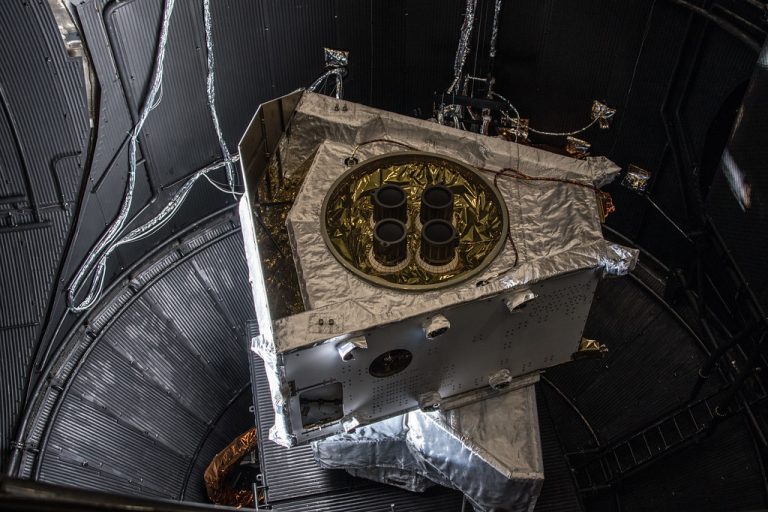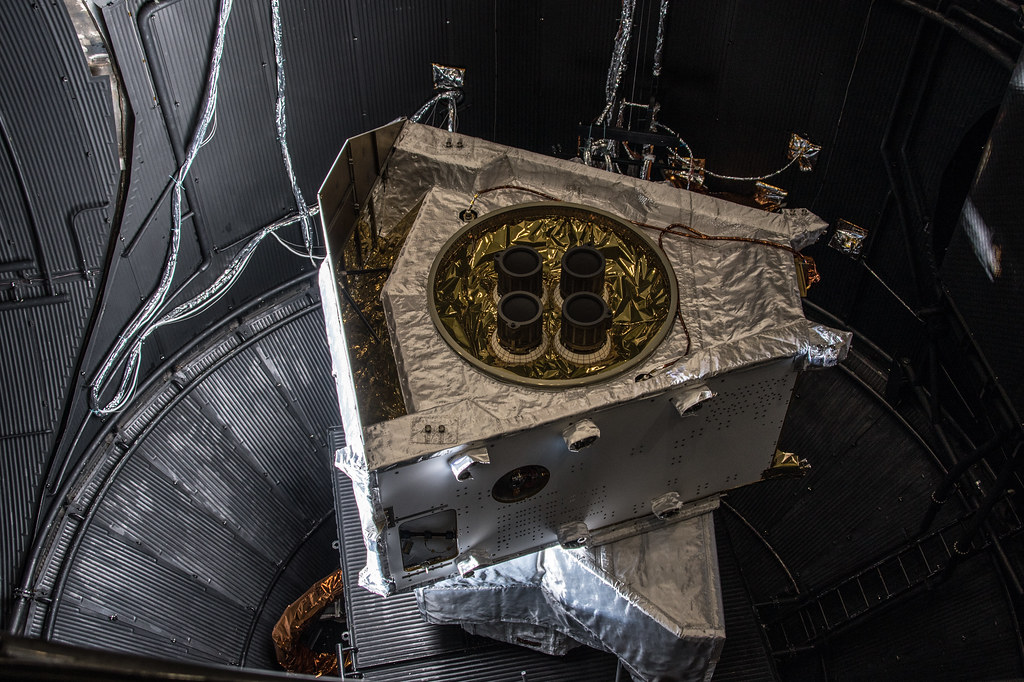
BepiColombo Mercury orbit is a remarkable achievement in space exploration, even as the spacecraft faced technical challenges during its mission.
Overview of the BepiColombo Mission
The BepiColombo mission, a collaborative effort between the European Space Agency (ESA) and the Japan Aerospace Exploration Agency (JAXA), aims to unravel the mysteries of Mercury. Launched in October 2018, the spacecraft is equipped with advanced scientific instruments designed to study the planet’s surface, composition, and magnetic field.
Despite encountering a technical glitch during its journey, the BepiColombo spacecraft has successfully entered Mercury’s orbit. This significant achievement paves the way for a comprehensive exploration of the innermost planet in our solar system.
Key objectives of the mission include:
- Mapping Mercury’s surface to better understand its geology and history.
- Studying its magnetic field to gain insights into the planet’s core.
- Investigating the exosphere to learn about its thin atmosphere.
With the BepiColombo Mercury orbit established, scientists are eager to begin their analysis and unlock new discoveries.
Technical Glitch Details
The recent entry of the BepiColombo spacecraft into Mercury’s orbit has been overshadowed by a technical glitch that emerged during its approach. Engineers reported that the anomaly occurred while the spacecraft was performing critical maneuvers essential for its orbital insertion.
Key details regarding the glitch include:
- Timing: The issue arose just minutes before the expected orbital insertion.
- Impact: Initial assessments suggest that the spacecraft’s trajectory was slightly altered, prompting engineers to execute corrective measures.
- Response: The team quickly initiated protocols to stabilize the craft and ensure that the BepiColombo Mercury orbit was achieved as planned.
Despite the challenges posed by this technical glitch, the mission remains a landmark achievement in space exploration, highlighting the complexities involved in navigating such a distant and unforgiving environment.
Significance of Entering Mercury’s Orbit
The successful entry of the BepiColombo spacecraft into Mercury’s orbit represents a significant milestone for planetary science and exploration. This achievement not only showcases the engineering prowess involved in navigating such a complex mission but also opens new avenues for understanding the innermost planet of our solar system.
Mercury’s unique environment presents a rich tapestry of geological and atmospheric phenomena that scientists are eager to investigate. The BepiColombo Mercury orbit allows researchers to gather data on:
- The planet’s surface composition
- Ionic and magnetic fields
- Thermal properties
- The history of planetary formation
In addition, this mission enhances our knowledge of how planets behave under extreme conditions, potentially informing future exploration efforts beyond our solar system. The significance of this achievement cannot be overstated, as it paves the way for groundbreaking discoveries.
Future Plans for BepiColombo
As the BepiColombo mission progresses, the teams involved are now focusing on future plans to ensure the spacecraft successfully completes its objectives. Following the recent challenges related to the technical glitch, engineers are working diligently to assess the situation and implement necessary fixes.
The mission’s primary goal remains to study Mercury’s orbit and gather invaluable data about the planet’s surface and magnetic field.
Key future steps include:
- Continuous Monitoring: Keeping close tabs on the spacecraft’s systems to prevent further issues.
- Data Collection: Maximizing the scientific output during the orbit phase.
- Collaboration: Engaging with international partners for joint scientific efforts.
By addressing the technical glitch swiftly, BepiColombo aims to maintain its scheduled timeline and enhance our understanding of Mercury.
What This Means for Space Exploration
The successful entry of the BepiColombo spacecraft into Mercury’s orbit, despite a technical glitch, highlights both the challenges and triumphs of modern space exploration. This mission, a collaboration between the European Space Agency and the Japan Aerospace Exploration Agency, serves as a testament to human ingenuity and resilience in overcoming obstacles.
What does this mean for future missions?
- Enhanced Knowledge: The data collected from Mercury will significantly deepen our understanding of the planet’s geology and magnetic field.
- Technological Advancements: Lessons learned from the BepiColombo Mercury orbit will inform future missions, leading to improvements in spacecraft design and operation.
- International Collaboration: This mission exemplifies the importance of global partnerships in achieving complex space objectives.
As we continue to explore the solar system, such missions will pave the way for even more ambitious endeavors.
The BepiColombo Mercury orbit mission has encountered unexpected challenges that have raised concerns among scientists. As engineers work to resolve the technical glitch, the future of the BepiColombo Mercury orbit remains uncertain.
By europeanspaceagency via Openverse
Read the original
- Podcast to Meet Billionaires: The Smart Way to Success
- MSI RTX 5080: Is It the Best Gaming GPU Yet?
- Galaxy OS rumor: The big shakeup Samsung fans need