

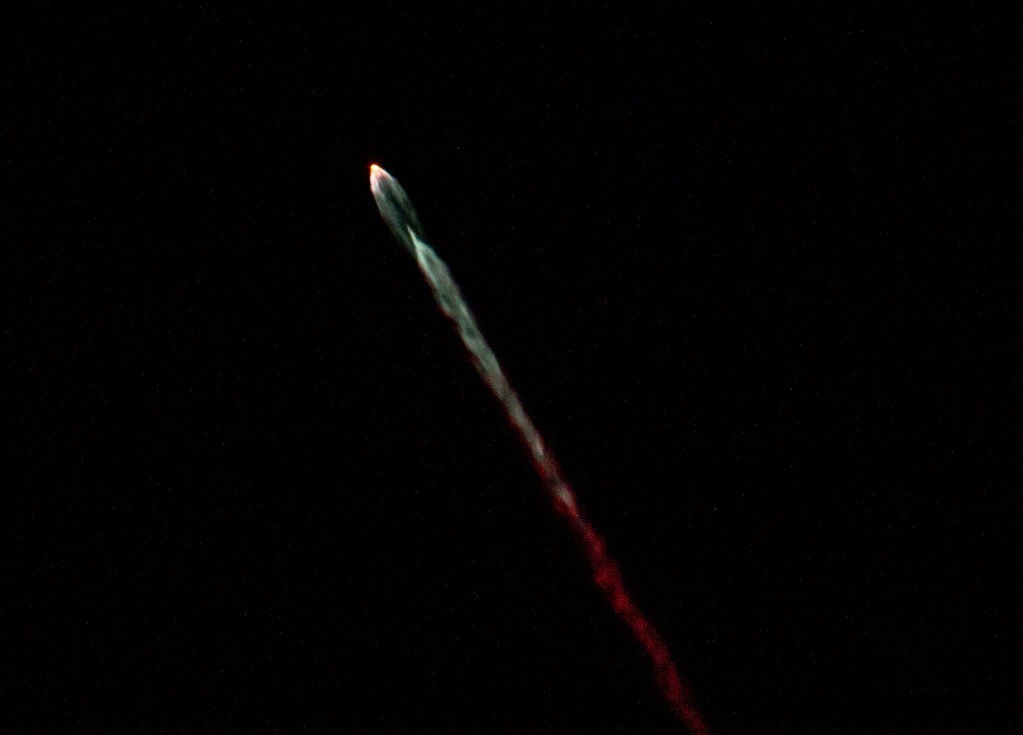
SpaceX Falcon 9 launch achieved a remarkable milestone by successfully delivering 130 spacecraft into orbit. This event marks a significant achievement in the realm of space exploration and technology.
Overview of the Falcon 9 Launch
The recent SpaceX Falcon 9 launch marked a significant milestone in the company’s ongoing mission to revolutionize space travel and satellite deployment. With the capability to carry multiple payloads, the Falcon 9 has become a reliable workhorse for numerous missions.
This latest launch demonstrated the rocket’s impressive capacity, successfully sending 130 spacecraft into orbit. This achievement not only showcases the advanced technology behind the Falcon 9 but also emphasizes SpaceX’s commitment to innovation and efficiency in the aerospace industry.
Key highlights of the launch include:
- The successful deployment of a diverse range of satellites, catering to various sectors including telecommunications, earth observation, and scientific research.
- A seamless liftoff from Cape Canaveral, reflecting the meticulous planning and execution that SpaceX is known for.
- Utilization of previously flown rocket boosters, showcasing the company’s focus on reusability and cost-effectiveness.
As SpaceX continues to push the boundaries of space exploration, the Falcon 9 remains at the forefront, leading the way for future missions.
Significance of Launching 130 Spacecraft
The recent SpaceX Falcon 9 launch marks a significant milestone in the realm of space exploration and technology. Successfully deploying 130 spacecraft into orbit demonstrates not only the reliability of the Falcon 9 but also the increasing capability of private space ventures.
This achievement carries multiple implications for the future of space missions:
- Increased Access to Space: With the ability to launch multiple satellites in one mission, the Falcon 9 is reducing costs and making space more accessible to a variety of organizations.
- Advancements in Technology: Each launch builds on previous successes, allowing for innovations in satellite design and deployment strategies.
- Support for Global Connectivity: The deployment of numerous satellites aids in enhancing global internet coverage and communication capabilities.
- Encouraging Collaboration: The Falcon 9 launch paves the way for partnerships between governments, private companies, and research institutions.
In summary, the successful SpaceX Falcon 9 launch is not just a technical feat; it represents a transformative moment for the future of space exploration and utilization.
Future Missions and Goals for SpaceX
Looking ahead, SpaceX has ambitious plans for its Falcon 9 launch vehicle, aiming to expand its capabilities and increase the frequency of missions. The success of the recent launch, which saw 130 spacecraft deployed into orbit, has set a strong precedent for future endeavors.
One of the primary goals for SpaceX is to enhance the payload capacity of the Falcon 9, allowing it to carry even larger and more complex satellites. Additionally, the company is focusing on improving reusability, which is a cornerstone of its operational strategy. By optimizing the turnaround time between launches, SpaceX plans to increase launch frequency significantly.
In the coming years, SpaceX also intends to support more international partners and commercial clients, broadening its market reach. This includes collaborations with research institutions and governments aiming to deploy satellites for various purposes, such as communications, Earth observation, and scientific research.
The future missions of the Falcon 9 launch vehicle will play a crucial role in shaping the landscape of space exploration and technology development.
Technological Innovations in Space Exploration
The recent SpaceX Falcon 9 launch has showcased remarkable technological innovations that are transforming space exploration. With each mission, SpaceX continues to develop and refine its rocket technology, offering new capabilities and efficiencies that benefit a wide range of satellite deployments.
One significant advancement is the reusable rocket technology, which dramatically reduces the cost of access to space. By successfully landing the first stage of the Falcon 9 after launch, SpaceX has made space missions more economically viable for numerous clients, including government agencies and commercial enterprises.
Additionally, the integration of advanced payload fairings has enhanced the protection of spacecraft during launch. These fairings are designed to be reused multiple times, further contributing to sustainability in space operations.
Moreover, the Falcon 9’s ability to launch a large number of satellites simultaneously has opened the door for innovative projects, such as global internet coverage and Earth observation initiatives. As SpaceX continues to push the boundaries of space technology, the industry eagerly anticipates the next generation of missions that will follow this successful launch.
The recent SpaceX Falcon 9 launch has demonstrated remarkable reliability and efficiency in deploying a large number of satellites. With each successful mission, the SpaceX Falcon 9 launch solidifies its reputation as a leader in commercial space transportation.
By Kevin M. Gill via Openverse
Where this came from
Related stories
Crew-13 Astronauts Launch: A Quick Look at Their Mission · Key Principles Behind the Classification of Research Chemicals · Modernizing Security Infrastructure for Connected Properties