

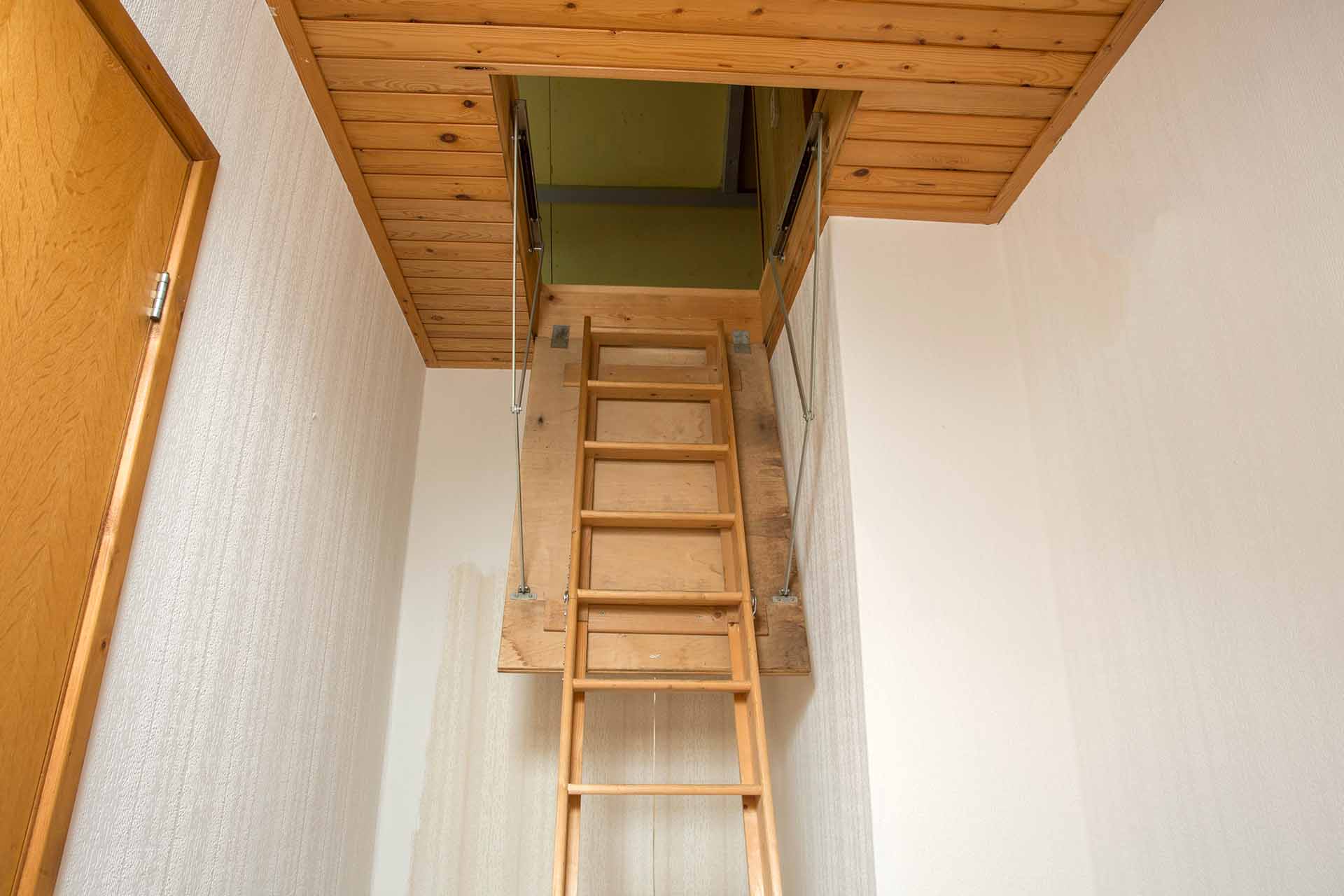

Homeowners today are increasingly focused on maximizing usable space without compromising on interior aesthetics or structural comfort. One of the most practical yet often overlooked additions is the installation of a wooden loft ladder, which provides a seamless connection between living areas and attic storage while enhancing both functionality and design value. As modern homes become more compact and space optimization becomes a priority, loft access solutions have evolved into essential architectural features rather than optional extras. A well-designed wooden loft ladder not only improves accessibility but also contributes to the overall warmth and natural appeal of the interior, making it a preferred choice for many households aiming for both durability and elegance.
Top trending insights in home improvement show a steady rise in demand for loft accessibility solutions that combine sustainability with aesthetics. Home renovation statistics indicate that over 60% of homeowners now prioritize multi-functional spaces, and loft conversions or attic usage have increased significantly in urban and semi-urban properties. Wooden ladder systems are trending due to their eco-friendly material composition and long lifespan compared to synthetic alternatives. Additionally, minimalist interior design movements have boosted the popularity of natural wood finishes, aligning perfectly with modern architectural preferences. Another growing trend is the integration of space-saving folding mechanisms, allowing homeowners to maintain uncluttered interiors while still having convenient attic access when needed. These evolving preferences highlight how functionality and design are merging in contemporary home improvement strategies.
From a statistical perspective, efficient home storage solutions can improve usable living space by up to 30%, depending on property layout. Studies in residential design show that better vertical access systems significantly reduce clutter in primary living areas, improving overall organization and livability. Wooden ladder installations are also associated with increased property value perception, as buyers often view optimized storage access as a premium feature. Furthermore, energy-efficient housing trends indirectly support loft accessibility improvements, as better insulation in attic spaces often requires safer and more practical entry systems for maintenance. The durability factor is also noteworthy, with high-quality wooden structures often lasting over a decade with minimal maintenance when properly treated and installed.
Frequently considered aspects by homeowners revolve around safety, design compatibility, and long-term usability. One of the most common considerations is weight capacity and stability, as modern wooden ladder designs are engineered to support regular household usage while maintaining structural integrity. Another important factor is space efficiency, where foldable or retractable systems help preserve floor space when the ladder is not in use. Maintenance is also a key concern, though treated wood typically requires only occasional inspection and minor upkeep to ensure long-term performance. In terms of aesthetics, wooden designs remain highly adaptable, blending seamlessly with both traditional and modern interiors. Homeowners often also consider installation flexibility, as many systems are designed to fit a wide range of ceiling heights and loft configurations without requiring major structural modifications.
Overall, the integration of loft access systems reflects a broader shift toward smarter, more efficient living environments. As housing trends continue to evolve, practical solutions that enhance both usability and design appeal are becoming essential elements of modern architecture. Wooden ladder systems stand out for their balance of durability, visual warmth, and functional reliability, making them a valuable addition to any home focused on long-term space optimization and comfort.