

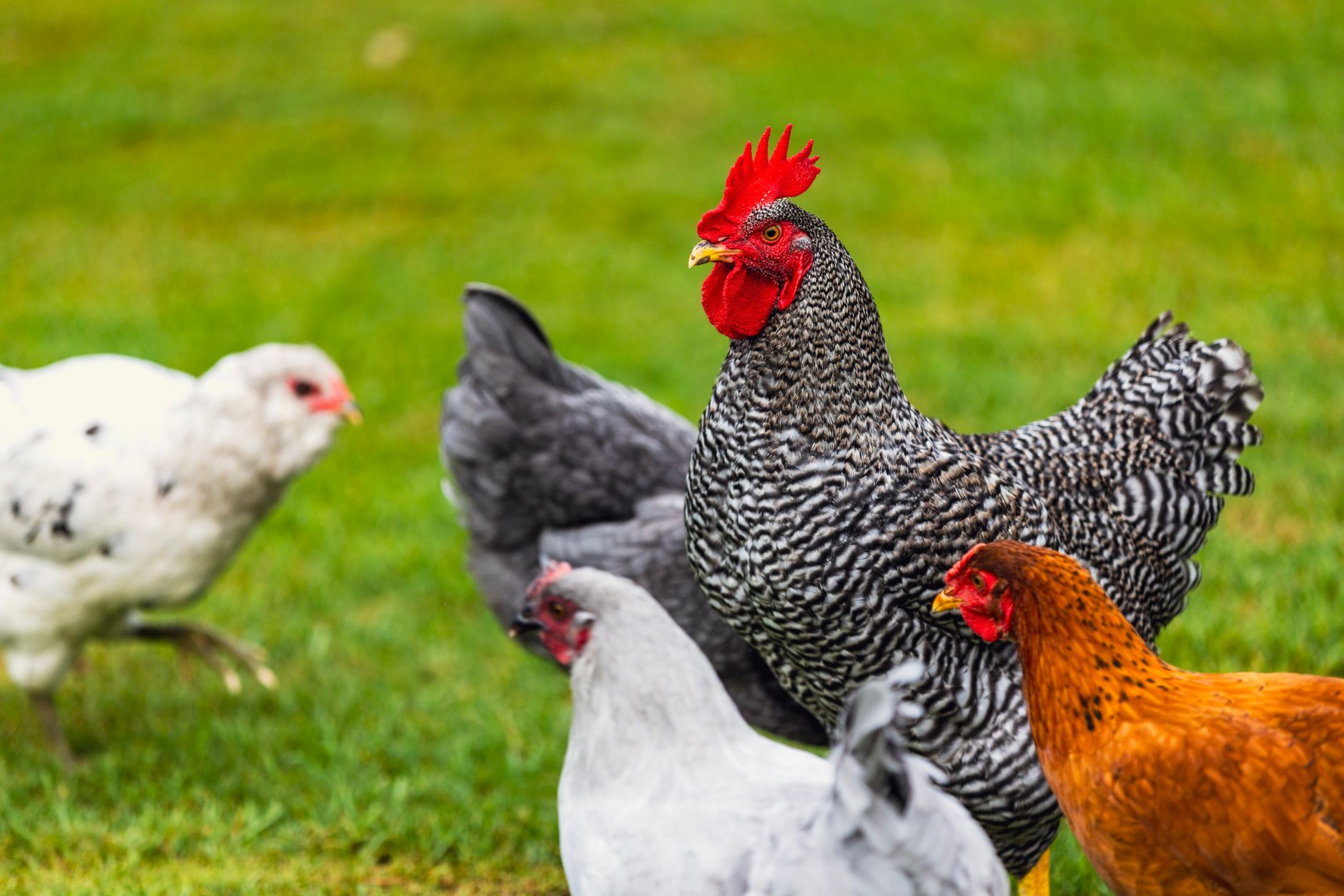
The chicken or egg dilemma has intrigued people for centuries, and recent scientific research finally provides clarity on this age-old question.
Understanding the Chicken or Egg Debate
The debate over whether the chicken or egg came first has puzzled thinkers for centuries. This age-old question has sparked discussions in philosophy, science, and even religion. At its core, the chicken or egg dilemma challenges our understanding of causality and existence.
To delve deeper into this debate, scientists have applied evolutionary biology and genetics. According to recent studies, the answer may lie in the processes of evolution. Here are some key insights:
- Evolutionary Perspective: Birds evolved from reptiles, meaning that the first chicken likely hatched from an egg laid by a bird that was not quite a chicken.
- Genetic Mutation: The genetic changes necessary for a true chicken to emerge occurred within the egg, making it a crucial part of the development process.
- Philosophical Implications: The question challenges our understanding of beginnings and the nature of life.
Ultimately, while the chicken or egg debate may seem trivial, it invites us to explore deeper concepts of life and existence.
Recent Scientific Discoveries
Recent scientific discoveries have shed light on the age-old question of whether the chicken or egg came first. Researchers have delved into evolutionary biology to provide insights that challenge traditional notions. A study published in a leading journal highlights the role of a specific protein, ovocleidin-17, found in chicken eggs. This protein is critical for the formation of eggshells, indicating that the egg must have come before the chicken.
Moreover, scientists have traced the evolutionary lineage of birds back to reptiles, suggesting that the ancestors of modern chickens laid eggs long before the first true chicken existed. This implies that while the chicken as we know it emerged from an egg, that egg contained genetic mutations that defined the first chicken.
The findings have not only answered the question of “chicken or egg” but also enriched our understanding of evolution and species development. As research continues, more discoveries may further illuminate the fascinating transition from ancient reptiles to the domesticated chickens we are familiar with today.
Implications of the Findings
The recent findings regarding the chicken or egg debate carry significant implications for both science and philosophy. As researchers have determined that the egg predates the chicken, this discovery challenges long-held beliefs and prompts a reevaluation of evolutionary biology.
Understanding the origins of species, particularly in the case of the chicken, provides insights into the processes of evolution and genetic mutation. The implications extend beyond academic circles, influencing how we perceive and discuss other age-old questions about existence and causality.
Furthermore, this resolution encourages critical thinking about cyclical relationships in nature. By establishing a clearer timeline, scientists can better explore how similar debates may unfold in other areas of research.
In addition, the findings spark interest in the broader implications for agriculture and domestication practices. As we learn more about the chicken’s lineage, we may also discover ways to enhance poultry farming, ensuring a sustainable future for food production.
Ultimately, the chicken or egg question has evolved into a profound exploration of life’s origins, pushing us to ask deeper questions about our own existence.
Historical Perspectives on the Question
The age-old inquiry of whether the chicken or egg came first has captivated thinkers throughout history. Ancient philosophers, including Aristotle, pondered this question, contemplating the nature of causality and existence. His exploration laid the groundwork for debates that would continue for centuries.
In the Middle Ages, the question took on a more religious tone, as theologians sought to reconcile creation stories with scientific thought. The chicken or egg dilemma was often used as a metaphor for broader discussions about the origins of life and the universe.
During the Enlightenment, thinkers like Descartes and Locke approached the question with a focus on empiricism and rationality. They emphasized observation and reason as tools to uncover truths about the natural world, moving the debate into a more scientific realm.
As scientific inquiry advanced, the question evolved, reflecting deeper understandings of biology and evolution. Yet, the simplicity of the chicken or egg question continues to resonate, prompting both humor and serious debate in contemporary discussions.
Photo by James Cheney on Pexels
Where this came from
You might also like
- Muse app downloads: Best proven success in two weeks
- Seed funding for AI: InTouchNew secures £2.3M investment
- Is Snapdragon Summit 2026 the Best Chip Launch Ever?