

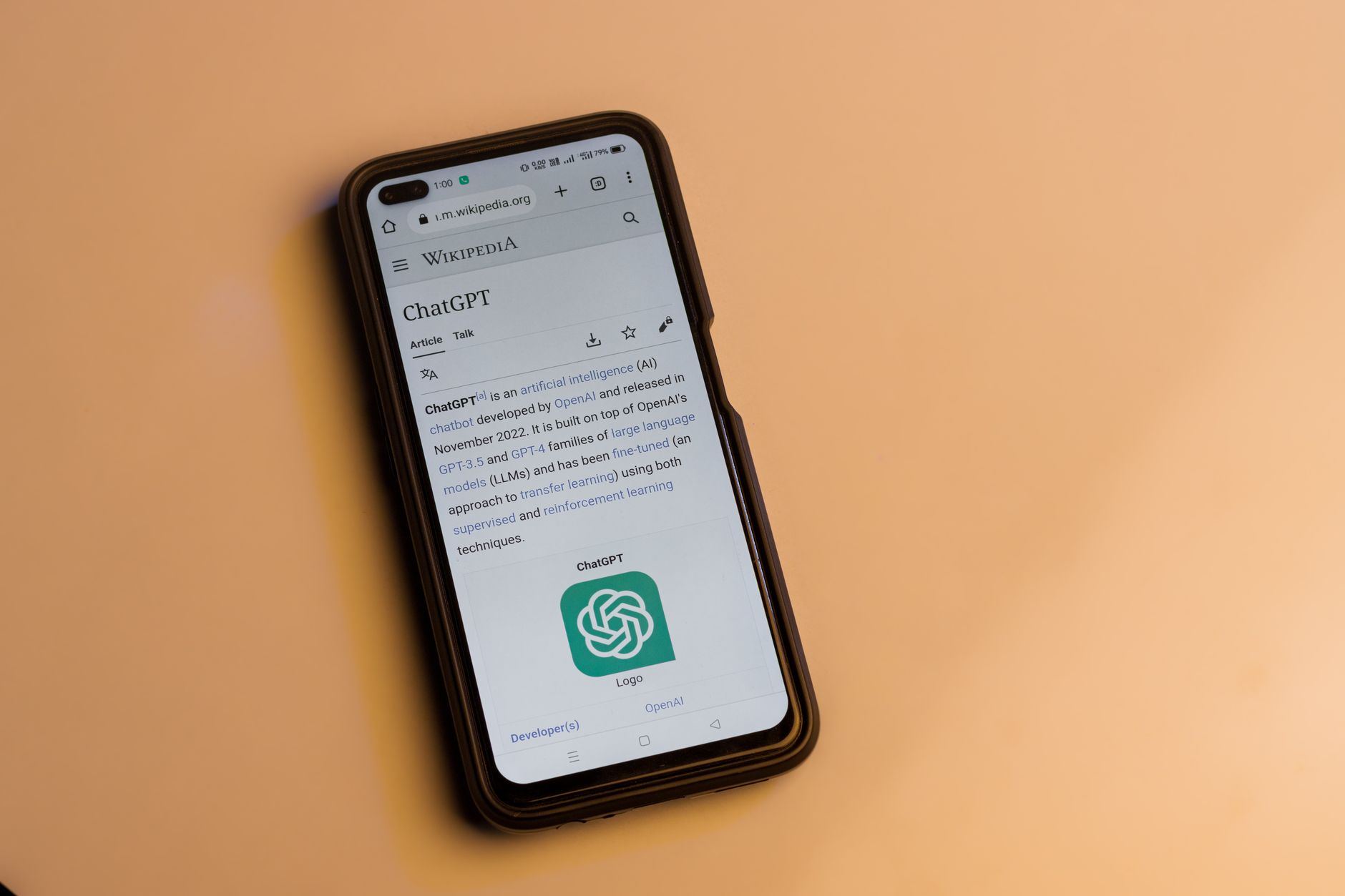
OpenAI Wiki Hijack has created a stir in the AI community. The recent acknowledgment of this incident highlights significant security vulnerabilities.
What Happened with the OpenAI Wiki Hijack?
The recent OpenAI Wiki Hijack has raised significant concerns regarding security measures within the organization. The incident, which occurred earlier this month, involved unauthorized access to the OpenAI Wiki, where sensitive information was allegedly altered and misrepresented.
According to sources, the breach began when a malicious actor exploited a vulnerability in the system, allowing them to gain control over the Wiki’s content. This resulted in:
- Inaccurate information being published, which could mislead users and developers.
- Potential exposure of proprietary data that could impact OpenAI’s operations.
- Heightened scrutiny from regulatory bodies and the public regarding data security practices.
In light of this event, OpenAI has acknowledged the severity of the situation and announced plans to develop a comprehensive disclosure framework. This framework aims to improve transparency and accountability in their security protocols, ensuring that such breaches do not occur in the future. The organization emphasizes its commitment to safeguarding user information and restoring trust in its systems.
Understanding the Disclosure Framework
The recent OpenAI Wiki Hijack incident has raised critical questions about the effectiveness of current security measures in place. In response, OpenAI has announced the development of a comprehensive disclosure framework aimed at improving transparency and accountability.
This framework is designed to address several key areas:
- Incident Reporting: Establishing protocols for reporting security breaches in a timely manner.
- Vulnerability Disclosure: Encouraging responsible disclosure from researchers and security professionals.
- Community Engagement: Creating channels for feedback from users and stakeholders to enhance security practices.
By implementing this disclosure framework, OpenAI aims to foster a culture of security awareness and collaboration. The organization recognizes that transparency is vital in rebuilding trust with its user base following the Wiki Hijack.
Furthermore, OpenAI plans to hold regular updates and discussions with the community to ensure that security improvements are continuously informed by real-world experiences. This proactive approach may serve as a model for other tech companies facing similar security challenges.
Implications for AI Security
The recent OpenAI Wiki Hijack has raised significant concerns regarding the security of AI systems. As organizations increasingly rely on artificial intelligence for sensitive tasks, the implications of such breaches are profound and far-reaching.
One major concern is the potential for misinformation. If malicious actors gain access to AI training data or internal documentation, they could manipulate the narratives surrounding AI technologies, impacting public perception and trust. This incident underscores the necessity for robust security protocols to prevent unauthorized access.
Additionally, the OpenAI Wiki Hijack emphasizes the importance of transparency in AI development. As companies navigate the complexities of ethical AI, maintaining open channels for communication with the public and stakeholders is crucial. Failure to do so may lead to further vulnerabilities.
Moreover, this event serves as a reminder for other organizations to evaluate their security measures critically. The ramifications of a security breach extend beyond immediate data loss; they can damage reputations and hinder innovation.
In conclusion, the OpenAI Wiki Hijack is not merely an isolated incident but a wake-up call for the entire AI industry to prioritize security and transparency in their operations.
How OpenAI Plans to Address Vulnerabilities
In response to the alarming OpenAI Wiki Hijack, the organization is taking proactive measures to address vulnerabilities within its systems. OpenAI has acknowledged the need for enhanced security protocols and is committed to developing a multi-faceted strategy that aims to restore trust and prevent future incidents.
Key components of OpenAI’s plan include:
- Comprehensive Security Audit: Engaging third-party experts to conduct a thorough assessment of existing security measures to identify and rectify weaknesses.
- Strengthened Access Controls: Implementing stricter access policies to ensure that only authorized personnel can access sensitive information.
- Regular Training: Providing ongoing training for staff on cybersecurity best practices to foster a culture of security awareness.
- Incident Response Plan: Developing a robust incident response strategy to quickly address and mitigate any future breaches.
By focusing on these critical areas, OpenAI aims to not only recover from the recent breach but also to enhance the overall security landscape for AI technologies, ensuring they remain safe and reliable for users worldwide.
Community Reaction to the Incident
The OpenAI Wiki Hijack has sparked significant concern and discussion within the tech community. Many experts and users alike are grappling with the implications of this security breach, questioning the effectiveness of current safeguards in place.
Online forums and social media platforms have exploded with reactions, ranging from shock to anger. Some community members have expressed their disbelief, stating that if a company as prominent as OpenAI can experience such a breach, it raises serious questions about security across the board. Others have taken to sharing suggestions on how organizations can improve their security protocols to prevent similar incidents.
Furthermore, a number of AI researchers have begun to critique the transparency of OpenAI’s response. They argue that while the disclosure framework is a positive step, more immediate action is required to restore trust among users. The sentiment is clear: many believe that the OpenAI Wiki Hijack should serve as a wake-up call for the industry.
- Transparency: Calls for clearer communication from OpenAI.
- Accountability: Demands for better security measures.
- Collaboration: Suggestions for industry partnerships to enhance security.
Lessons Learned from the Wiki Hijack
The recent OpenAI Wiki Hijack has sent shockwaves through the tech community, highlighting several critical lessons that organizations must consider to safeguard their digital assets.
First and foremost, transparency is essential. OpenAI’s prompt acknowledgment of the breach demonstrates the importance of open communication during a crisis. Organizations should prioritize clear disclosures to maintain trust with their users.
Secondly, a robust security framework is vital. The incident underscores the need for continuous monitoring and updating of security protocols to protect against evolving threats. Regular security audits can help identify vulnerabilities before they are exploited.
Furthermore, community engagement plays a crucial role. Involving the community in security discussions can lead to collaborative solutions and enhance overall security knowledge. OpenAI’s commitment to developing a disclosure framework shows the importance of collective responsibility.
Finally, organizations must embrace a culture of learning from incidents like the OpenAI Wiki Hijack. By analyzing what went wrong, companies can better prepare for future challenges and reinforce their defenses.
In conclusion, the lessons learned from this incident will serve as a guiding light for improving AI security and promoting accountability.
Future of AI Security Measures
As organizations increasingly rely on artificial intelligence, the need for robust security measures has never been more pressing. The OpenAI Wiki Hijack incident has underscored the vulnerabilities that can arise within AI systems, prompting a reevaluation of existing protocols. Experts believe that the future of AI security will hinge on several key strategies:
- Enhanced Encryption: Implementing advanced encryption methods will help protect sensitive data from unauthorized access.
- Regular Security Audits: Frequent assessments of AI systems will facilitate the identification of potential weaknesses before they can be exploited.
- Community Collaboration: Engaging with the broader tech community can foster information sharing about emerging threats and best practices.
- User Education: Training users on recognizing phishing attempts and other malicious activities can mitigate risks associated with human error.
- Adaptive Security Protocols: Developing AI systems that can learn from attacks will enable organizations to respond more effectively to future threats.
As the industry moves forward, it is critical to implement these measures to prevent incidents like the OpenAI Wiki Hijack from occurring again.
Expert Opinions on OpenAI’s Response
Experts in cybersecurity have weighed in on OpenAI’s response to the recent Wiki Hijack incident, emphasizing the importance of transparency and prompt action. Dr. Maria Gomez, a renowned AI ethics researcher, noted, “OpenAI’s acknowledgment of the breach is a crucial first step. By publicly addressing the Wiki Hijack, they set a precedent for accountability in the tech industry.”
Another expert, James Larkin, a specialist in information security, expressed concerns about the implications of the breach. “While OpenAI’s plans to develop a comprehensive disclosure framework are commendable, the effectiveness will depend on its execution. The community needs assurance that such vulnerabilities will be effectively managed in the future.”
Additionally, Emily Chen, a data privacy advocate, highlighted the need for ongoing dialogue between companies and users. “The OpenAI Wiki Hijack serves as a reminder that security is a shared responsibility. OpenAI must not only enhance its security measures but also engage with users to foster trust.”
As the situation unfolds, the community watches closely, hoping that OpenAI’s response will lead to stronger security practices across the AI landscape.
Photo by Sanket Mishra on Pexels
Read the original
Related stories
- Is the Legon Fund for AI Startups the Best Investment?
- September Android features: Best proven updates to activate
- Twitch View Bots and the Importance of Maintaining an Active-Looking Channel