

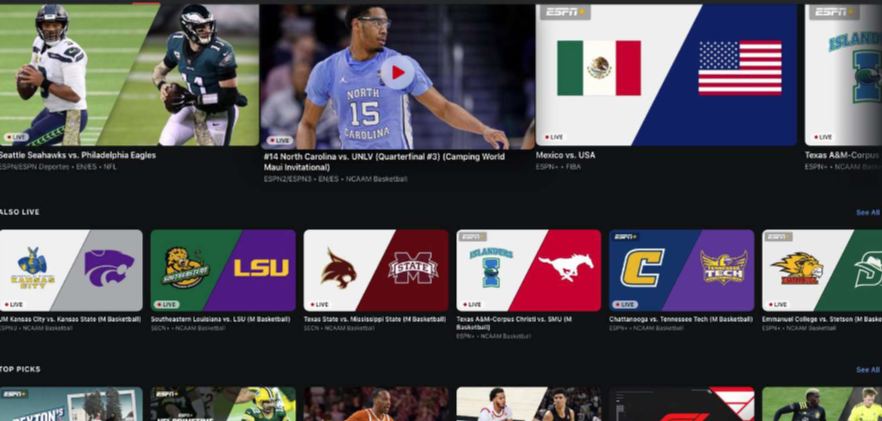
Over the years, Sports Broadcasting (스포츠중계) has seen an incredible evolution, driven by advances in technology and shifts in consumer behavior. The way fans consume sports content has radically changed, with more options and platforms available to enhance their viewing experience. From live-streaming services to the introduction of immersive technologies like augmented reality, the transformation of sports broadcasting is not just a trend; it is a fundamental shift in how sports are consumed globally. This change is shaping a new future for both broadcasters and viewers alike.
What are the key factors contributing to the change in sports broadcasting?
The primary factor driving this change is technology. Over the past few years, sports broadcasting has expanded beyond traditional television to include digital platforms and live streaming services. These platforms allow fans to watch their favorite games on various devices, including smartphones, tablets, and smart TVs, wherever they are. The convenience of streaming sports content is revolutionizing the way fans consume live events, providing unprecedented flexibility and accessibility.
How has the growth of streaming platforms affected sports broadcasting?
Streaming services have become one of the most significant game-changers in the sports broadcasting landscape. These platforms give fans the ability to watch live sports events on-demand, bypassing the limitations of traditional TV broadcasting schedules. Whether watching from home or on the go, fans can access sports content across multiple devices. The rise of subscription-based models has also made it easier for viewers to choose and pay for content that fits their interests, giving them control over what they watch and how they watch it. This shift to streaming is creating a more personalized and engaging experience for viewers.
What impact has the integration of real-time data and analytics had on broadcasts?
Data and analytics have become an integral part of modern sports broadcasting. Real-time data allows broadcasters to offer in-depth insights into players’ performance, team strategies, and overall game dynamics. This use of analytics adds a layer of depth to the viewing experience, helping fans understand the intricate details of the game. For example, real-time player tracking, predictive analysis, and game statistics can be displayed alongside live footage, giving fans more context and enhancing their enjoyment of the event.
The integration of advanced data has also paved the way for interactive features. Fans now have the ability to engage with statistics and live data while watching, enabling them to track the performance of their favorite players and teams. This enhanced interaction makes the experience more immersive and rewarding for viewers, as they are able to access valuable insights that were previously only available to coaches and analysts.
What role does social media play in the future of sports broadcasting?
Social media has significantly transformed the way sports content is distributed and consumed. Platforms like Twitter, Instagram, and YouTube have become key players in the sports broadcasting ecosystem. Fans now have access to behind-the-scenes content, live commentary, and real-time updates directly from their favorite athletes, teams, and sports broadcasters. This direct access to content is fostering a more interactive fan experience, enabling fans to connect with the game on a deeper level.
Social media also serves as a platform for fans to discuss and share content during live games. Fans can instantly share their thoughts, reactions, and even create viral moments by posting highlights. This shift toward social media engagement has led to a more communal way of watching sports, where fans are not just passive viewers but active participants in the conversation surrounding the game.
What are immersive technologies like VR and AR bringing to sports broadcasting?
Immersive technologies, such as virtual reality (VR) and augmented reality (AR), are on the verge of completely revolutionizing the way fans experience sports broadcasting. VR, in particular, offers a fully immersive viewing experience, allowing fans to virtually attend live games from anywhere in the world. By wearing a VR headset, fans can sit courtside, fieldside, or even on the sidelines, experiencing the action as though they were physically present at the event.
Augmented reality (AR) enhances live broadcasts by overlaying interactive graphics and real-time data onto the screen. For example, viewers can see player stats, game analysis, and tactical information while watching the action unfold in real time. This integration of AR adds an extra layer of context to the broadcast, allowing fans to engage with the content more deeply and gain a better understanding of the game’s dynamics.
How is esports influencing the broader sports broadcasting industry?
The rise of esports has had a profound effect on traditional sports broadcasting. Esports events, which attract millions of viewers globally, are streamed live across digital platforms, creating an entirely new audience for sports broadcasters. These digital-first events have shown how flexible and dynamic the future of sports content can be. They are pushing broadcasters to adopt new technologies, like interactive features and personalized content, to meet the growing demand for more engaging and interactive sports experiences.
Esports is also attracting younger, tech-savvy audiences who prefer to consume content digitally rather than through traditional TV broadcasts. As a result, traditional sports broadcasters are increasingly exploring ways to integrate gaming and esports into their offerings, helping to bridge the gap between traditional sports and the rapidly growing world of digital sports entertainment.
What does the future hold for sports broadcasting?
The future of Sports Broadcasting is incredibly bright, with technology continuing to play a pivotal role in its evolution. From enhanced streaming capabilities and real-time data analytics to immersive VR/AR experiences, the sports broadcasting industry is on the cusp of a major transformation. As broadcasters continue to explore new technologies, fans can expect an even more interactive, engaging, and personalized experience in the years to come. The integration of innovative tools and digital platforms is not just enhancing the way fans watch sports; it is creating a future where sports content is more accessible, enjoyable, and meaningful than ever before.